Choosing a disposable vape can feel confusing when labels show percentages, milligrams, and different nicotine types. Many people search, “what nicotine strength should i choose in a disposable vape,” expecting one simple answer. The safer answer depends on your current nicotine use, vaping experience, and personal response. It is not a universal setting.
Nicotine strength usually appears as milligrams per millilitre or a percentage. For example, 20 mg/mL may be labelled as 2%. Nicotine salts can feel smoother than traditional freebase nicotine, even at higher concentrations. Device power, airflow, and puff length also change how much nicotine reaches you. A short puff may feel mild. Repeated long puffs can quickly feel excessive.
Pay attention to real signals. Headache, nausea, dizziness, racing heartbeat, or a harsh throat may indicate too much nicotine. Stop using the product if these symptoms appear, and seek medical advice when symptoms are severe or persistent. Adults who already use nicotine may consider a lower strength and adjust cautiously. People who do not use nicotine, teenagers, pregnant individuals, and those with certain health conditions should avoid nicotine products and ask a qualified healthcare professional for guidance.
Product labels are not always perfectly clear, and my practical recommendation has limits. Check the package, buy only from reputable retailers, and follow local age and product regulations. Do not assume a higher strength is more effective. Sometimes, it simply creates stronger dependence. The goal should be informed choice, not chasing a stronger sensation.
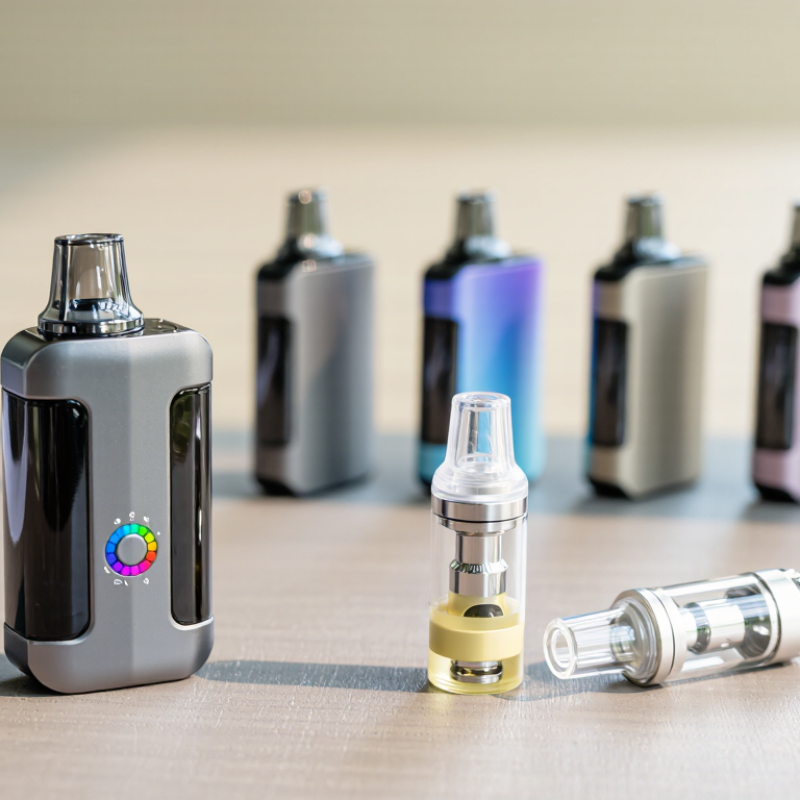
What Nicotine Strength Should I Choose in a Disposable Vape?
Nicotine strength labels can look simple, yet they often cause confusion. Most disposable vapes show nicotine as milligrams per millilitre (mg/mL) or as a percentage. For example, 20 mg/mL usually equals 2%. The number describes liquid concentration, not the exact amount absorbed. Device size, puff length, and inhalation style also affect nicotine intake.
Some labels show total nicotine content instead. A device may contain several millilitres of liquid, so its total amount can exceed the displayed concentration. Nicotine salts often feel smoother at higher strengths than freebase nicotine. That smoother feeling can make overuse easier to miss. I used to think a stronger label always meant a better choice. It does not. Check the packaging carefully, and follow local age requirements and regulations.
Tips: Choose the lowest strength that reasonably matches your existing nicotine use. Avoid comparing products by percentage alone. Look for both concentration and liquid volume. Take a short pause between puffs, especially if you notice dizziness, nausea, headache, or a racing heartbeat. Stop using it if symptoms appear. People who do not already use nicotine should not start, and pregnant individuals should avoid nicotine. Labels can be imperfect, so treat unclear information as a warning sign rather than a small detail.
Understanding nicotine strength labels on disposable vapes
How to read the labels: Nicotine strength is commonly shown in milligrams per millilitre (mg/mL) or as a percentage. As a general label conversion, 10 mg/mL is approximately equal to 1% nicotine.
Higher concentrations may feel stronger and are often selected by adults who regularly use nicotine, while lower concentrations may be more suitable for occasional users. Nicotine-free products contain 0 mg/mL. Availability and legal limits vary by country, and nicotine is addictive.
Choosing nicotine strength begins with your current nicotine use, not the device’s appearance. Count cigarettes, pouches, or other nicotine products used daily. Note when cravings appear, especially within 30 minutes of waking. Early cravings may indicate stronger dependence. The Fagerström Test for Nicotine Dependence uses this timing as a key assessment question. However, cigarette numbers do not convert perfectly into vape strength. Delivery varies with liquid concentration, inhalation, device design, and puff length. The National Academies of Sciences, Engineering, and Medicine reported substantial variation in nicotine delivery across vaping products.
Someone using nicotine occasionally may consider a lower labelled strength. A daily smoker with strong morning cravings may need a moderate strength to avoid constant vaping. Start cautiously, then assess cravings over several days. Feeling dizzy, nauseated, headachy, or unusually restless suggests excessive nicotine exposure. Stop using it and seek medical advice if symptoms persist. The UK Office for Health Improvement and Disparities reports that vaping is substantially less harmful than smoking, but it is not risk-free. That distinction matters.
Tips: Keep a simple three-day log. Record strength, approximate sessions, cravings, and symptoms. Avoid chasing a throat sensation. It can mislead you. Do not combine frequent vaping with cigarettes without reviewing your total nicotine intake. Evidence is still developing, and disposable devices may deliver nicotine differently than expected. My own practical bias is to reassess often, because tolerance can quietly rise while the original goal gets forgotten.
| Current Nicotine Use | Typical Tolerance Pattern | Reasonable Starting Strength | What to Monitor |
|---|---|---|---|
| Non-user or former nicotine user | Little or no established nicotine tolerance | Do not start nicotine vaping; if replacing an existing nicotine product, seek individualized professional advice | Dependence can develop even with intermittent use |
| Occasional use Less than 5 cigarettes per day or infrequent nicotine use |
Low tolerance; nicotine may feel strong quickly | 0–6 mg/mL | Dizziness, nausea, headache, or rapid heartbeat may indicate excessive nicotine |
| Light daily use About 5–10 cigarettes per day or a low-strength nicotine product |
Some tolerance, but sensitivity may remain moderate | 6–12 mg/mL | Persistent cravings may mean the strength or usage pattern is insufficient; do not compensate by vaping continuously |
| Moderate daily use About 10–20 cigarettes per day or regular use of nicotine products |
Established tolerance and more frequent cravings | 12–20 mg/mL | Use at regular intervals rather than taking repeated puffs to chase nicotine effects |
| Heavy daily use More than 20 cigarettes per day or high-frequency nicotine use |
High tolerance and strong or frequent withdrawal symptoms | 18–20 mg/mL initially; higher concentrations may be permitted in some regions but should be approached cautiously | Consider professional smoking-cessation support instead of automatically choosing the highest available strength |
| Using nicotine replacement or another vape | Tolerance depends on the product, dose, and frequency of use | Do not combine products casually; obtain advice from a pharmacist or clinician | Combining nicotine sources can increase total exposure and side effects |
Choosing nicotine strength should begin with your current nicotine routine, not the device’s marketing. For adult smokers switching away from cigarettes, heavier daily use often requires a stronger option to control cravings. Lighter users may prefer a lower strength.
Check the label carefully: 20 mg/mL equals 2%, but labels are not always presented consistently. The 2024 Cochrane Living Review found that nicotine e-cigarettes can help some adults stop smoking, although long-term evidence remains limited. That uncertainty matters.
Pay attention to your body. Persistent cravings, irritability, or reaching for the device every few minutes may suggest the strength is too low.
Headaches, nausea, dizziness, or a racing heartbeat may indicate excessive nicotine. Stop and seek medical advice if symptoms are severe.
The Centers for Disease Control and Prevention states that nicotine is highly addictive, so non-smokers, young people, and pregnant individuals should avoid it.
Strength also depends on inhalation habits. Short, occasional puffs deliver less nicotine than frequent deep use. A practical starting point is the lowest strength that controls cravings without discomfort, then reassess after several days.
Personal experience helps, but it can mislead. Dependence may feel like “needing the right strength,” when the real issue is frequent dosing. Keep nicotine products away from children and pets.
What Nicotine Strength Should I Choose in a Disposable Vape?
Comparing Salt Nicotine Levels and Vaping Experience
Salt nicotine levels strongly affect throat feel, satisfaction, and how often you reach for a disposable vape. Lower strengths usually feel smoother and allow longer, more frequent sessions. Higher strengths may deliver a quicker nicotine effect with fewer puffs, but they can feel sharp or uncomfortable for some users.
Check the label carefully. Nicotine is commonly shown in milligrams per millilitre, such as 5 mg/mL or 20 mg/mL. A higher number does not always create a better experience. People who rarely used nicotine may find stronger levels overwhelming, with dizziness, nausea, headache, or a racing heartbeat. Stop using it if these symptoms appear. Fresh airflow, a warm room, and repeated puffs can also make the experience feel unexpectedly intense.
There is no perfect strength.
Adults who already use nicotine often compare a lower level with their usual intake, then observe cravings and physical reactions for several days. That approach is more reliable than copying another person’s choice. Someone moving away from combustible tobacco may prefer a stronger salt nicotine level, while an occasional user may need much less. I would not treat this as an exact formula; puff duration varies, and labels cannot predict every person’s response. Avoid nicotine if you do not already use it, and keep all products away from children and pets. Pregnancy, heart conditions, and medication use require professional medical advice before nicotine use. Always follow the product label and local regulations.
Nicotine strength is not a simple safety score. A higher concentration may relieve cravings with fewer puffs, but it can also reinforce dependence faster. If you do not currently use nicotine, the safest choice is not to start. For adult smokers switching completely, a lower strength may feel insufficient and encourage constant puffing. That pattern can quietly increase total exposure. Device design also changes delivery, so the label is only part of the answer.
The National Academies of Sciences, Engineering, and Medicine reported in 2018 that vaping generally exposes users to fewer toxic chemicals than smoking combustible cigarettes. It also stressed that vaping is not harmless, and long-term effects remain uncertain. Nicotine can raise heart rate and cause nausea, dizziness, headaches, or sleep disruption. Stop using it when these signs appear. Do not treat them as a normal adjustment.
Usage limits need honest monitoring. Avoid using a disposable vape continuously, especially during work, driving, or late evenings. Set specific nicotine-free periods and track how quickly one device disappears. The 2023 U.S. National Youth Tobacco Survey recorded about 2.13 million current student e-cigarette users, with 25.2% reporting daily use. That figure shows how quickly occasional use can become routine.
My practical rule is imperfect: choose the lowest available strength that prevents repeated, anxious dosing, then reduce frequency over time. If cravings control your schedule, seek advice from a qualified healthcare professional.
Start with your current nicotine routine, not advertising claims. Heavier adult smokers may need more nicotine to control cravings. Occasional users may prefer less. There is no perfect formula.
Labels often show nicotine in milligrams per millilitre. For example, 20 mg/mL equals 2%. Check the label carefully because formats may differ.
Persistent cravings may indicate insufficient strength. Irritability and reaching for the device every few minutes are warning signs. Frequent puffing may also reflect dependence, not only low strength.
Headaches, nausea, dizziness, or a racing heartbeat may indicate excessive nicotine. Stop using it when these symptoms appear. Seek medical advice if symptoms are severe.
Short, occasional puffs usually deliver less nicotine. Frequent, deep puffs can make the experience unexpectedly intense. A warm room and repeated puffs may also increase discomfort.
A higher strength may control cravings with fewer puffs. However, it may feel sharp and reinforce dependence faster. Lower strength is not automatically safer if it causes constant puffing.
People who do not currently use nicotine should avoid starting. Young people and pregnant individuals should not use nicotine. Keep all nicotine products away from children and pets.
Set nicotine-free periods during work and late evenings. Track how quickly one disposable device disappears. My practical rule is imperfect: reassess after several days and reduce frequency gradually.
Seek advice before nicotine use if you have heart problems or take medication. Ask for help if cravings control your schedule. Personal experience can mislead.
Choosing the right nicotine level in a disposable vape starts with understanding the label. Strength may be shown as a percentage or in milligrams per milliliter, and these figures indicate the concentration of nicotine in the liquid. When considering what nicotine strength should i choose in a disposable vape, assess your current nicotine use, how often you consume it, and whether you are sensitive to nicotine. People with little or no previous exposure should avoid high-strength products, while experienced users may prefer a level that matches their established tolerance.
Salt nicotine can feel smoother and may deliver nicotine efficiently, but a gentler sensation does not mean lower dependence risk. The best choice should provide satisfaction without causing dizziness, nausea, headaches, racing heartbeat, or other unpleasant effects. Use the device moderately, avoid frequent automatic puffing, and do not combine multiple nicotine sources without considering the total intake. Nicotine is addictive, so non-users, young people, and pregnant individuals should avoid it, and anyone concerned about dependence should seek professional guidance.

Velour Vape