In 2026, many users wonder, "why does my disposable vape die early?" This question highlights a common frustration among vapers. Disposable vapes promise convenience and ease, yet premature failure can dampen the experience. Users may find themselves frequently replacing devices, raising concerns about value and reliability.
Various factors contribute to early device failure. The manufacturing quality and battery performance play significant roles. Not all manufacturers adhere to high standards, leading to inconsistent experiences. Additionally, improper storage can affect performance. Leaving vapes in extreme temperatures may drain the battery faster.
Understanding these issues is essential for maximizing vape longevity. It prompts users to reflect on their habits and choices. Investigating brands and reading reviews can lead to smarter purchases. In the evolving world of vaping, knowledge is power. Users must navigate this landscape wisely to avoid disappointment.
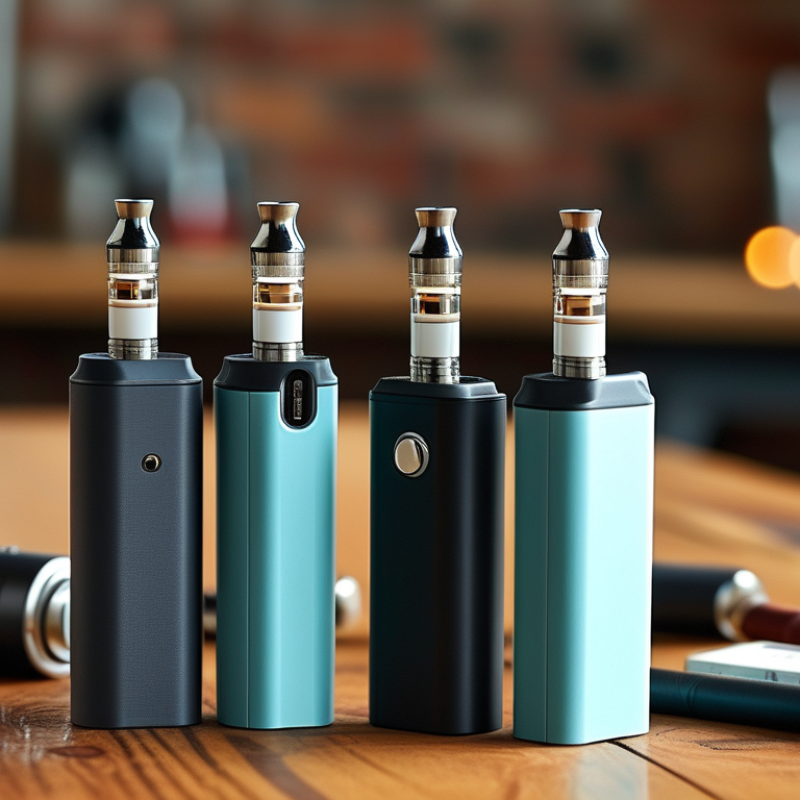
Disposable vapes have surged in popularity due to their convenience. However, many users face a frustrating reality: their devices die earlier than expected. Understanding the lifespan of these vapes can shed light on this issue. Typically, a disposable vape can last from 200 to 800 puffs, depending on various factors, including battery size and e-liquid volume.
One major factor affecting longevity is the battery. Most disposable vapes use lithium batteries that may not fully power the device. Reports indicate that around 20-30% of users experience early battery failure. Using a device continuously without breaks can lead to overheating, draining the battery faster. Moreover, environmental conditions, like temperature, play a critical role as well. Cold temperatures can reduce battery efficiency significantly.
E-liquid quality also matters. Some manufacturers use low-quality ingredients, affecting both taste and lifespan. According to industry studies, vapes filled with high-quality, thicker e-liquids often last longer. Users must consider how they store and handle their vapes too. Improper storage can lead to premature degradation. Addressing these factors could lead to a more satisfying vaping experience.
When considering the early demise of disposable vapes in 2026, battery capacity plays a crucial role. The mAh rating of a vape's battery directly impacts its performance. For instance, a device with a 300mAh battery typically lasts fewer puffs compared to a model with a 600mAh capacity. This is vital because many users notice a significant drop in vapor production as the battery drains.
Research shows that many popular brands struggle with battery efficiency. In fact, a report by the Electronic Cigarette Association revealed that about 30% of disposable vapes underperform due to inadequate battery capacity. This leads to frustration among users, especially those who expect reliable performance throughout the day.
Moreover, not all disposable vapes are designed equally. Some manufacturers prioritize sleek designs over battery longevity. This can result in poor user experience, where a vape dies unexpectedly early, leaving users dissatisfied. Evaluating battery performance and understanding mAh ratings can guide users to make better choices. Users must reflect on their preferences and consumption patterns. Each decision can significantly affect overall enjoyment.
| Model | Battery Capacity (mAh) | Estimated Puffs | Nicotine Strength (mg/ml) | Average Price ($) |
|---|---|---|---|---|
| Model A | 350 | 300 | 20 | 12 |
| Model B | 400 | 350 | 25 | 15 |
| Model C | 250 | 200 | 15 | 10 |
| Model D | 500 | 400 | 30 | 20 |
| Model E | 600 | 500 | 35 | 25 |
E-liquids play a vital role in the lifespan of disposable vapes. They usually contain a mix of propylene glycol (PG), vegetable glycerin (VG), and various additives. PG is known for its throat hit, while VG adds sweetness and vapor production. An imbalance in these components can lead to early vape failure. If a disposable vape is heavily reliant on PG, it may burn out faster.
Additives also influence vape duration. Flavor enhancers and sweeteners can alter the burning temperature. If the liquid is too thick, it can clog the device. On the other hand, a low-quality e-liquid may contain impurities that affect performance. Poorly blended e-liquids can lead to inconsistent vapor production, resulting in a short vaping experience.
In 2026, many users still overlook the importance of e-liquid composition. A quick choice based on flavor often overshadows quality considerations. Vapers might find themselves frustrated with unexpected disposals. Reflecting on these factors can enhance the overall vaping experience. Knowing more about ingredients can lead to informed decisions and longer-lasting vapes.
Puff frequency significantly impacts the lifespan of disposable vapes. Research indicates that frequent puffs can drain the battery and e-liquid faster. For instance, users who take rapid, consecutive puffs might see their devices die within a few hours. In contrast, those who space out their usage can extend the device’s longevity significantly.
Data from industry reports show that the average disposable vape contains around 300 to 600 puffs. A study revealed that users who average high-frequency puffs (over 15 puffs per session) experience up to a 40% reduction in device lifespan. Additionally, overheating can occur with continuous use. This can lead to burnt coils and unpleasant flavors, making the experience less satisfying.
Understanding personal usage patterns can help users manage their devices better. If you notice your vape dying quickly, it may be time to reflect on your puffing habits. Lowering the frequency of puffs not only aids in prolonging the life of the device but also improves the vaping experience itself.
In 2026, the disposable vape market has seen several innovations. However, many users still face issues with short lifespans of these devices. One of the critical factors affecting performance is the manufacturer's quality control standards. With the rise of various models, inconsistent production processes can lead to discrepancies in product lifespan.
Quality control involves rigorous testing and adherence to manufacturing protocols. Not every company maintains the same level of oversight. Some overlook essential checks, leading to devices that die early or fail to perform consistently. This inconsistency can frustrate users who expect reliability from their vapes.
**Tips:** Always choose models from manufacturers with transparent quality control processes. Look for reviews that discuss longevity. If a device consistently shows early failures, it may signal production flaws.
Inspecting your disposable vape for signs of leaks or battery issues can also enhance its lifespan. Sometimes, improper storage can shorten its longevity. Avoid exposing your vape to extreme temperatures and humidity.
Another aspect is the e-liquid quality. Subpar liquids can clog coils, affecting performance. Selecting a reliable source for your e-liquids can make a noticeable difference in reliability and lifespan.
: A disposable vape usually lasts from 200 to 800 puffs, depending on various factors.
Battery quality is crucial. Many users face early failure, which occurs in 20-30% of cases.
Yes, continuous puffing can lead to overheating and faster battery drain, reducing device lifespan.
Yes, cold temperatures can significantly reduce battery efficiency and overall lifespan.
Low-quality e-liquids can shorten lifespan and impact taste. Higher-quality liquids can lead to better longevity.
Improper storage can lead to premature degradation. Store it properly to extend its life.
Frequent, rapid puffs can drain battery and e-liquid faster, reducing lifespan by up to 40%.
Rapid consecutive puffs can cause overheating, burnt coils, and a less enjoyable vaping experience.
Reflect on your puff frequency. Lowering it can prolong the vape's life and improve satisfaction.
Yes, quick device failure can be common. Users should consider their puffing habits and storage methods.
In exploring the question of "why does my disposable vape die early," it's essential to consider several factors that influence the lifespan of these devices. The battery capacity, measured in mAh, plays a crucial role, as a higher mAh rating typically indicates longer-lasting power. Additionally, the composition of the e-liquid, particularly the concentrations of propylene glycol (PG), vegetable glycerin (VG), and various additives, can significantly affect how long the vape lasts.
Usage patterns also contribute, with more frequent puffs depleting the battery and e-liquid more rapidly. Finally, the manufacturing standards of the disposable vapes available in 2026 are pivotal; quality control measures can determine overall performance and longevity. By understanding these elements, users can better appreciate the factors that can lead to their disposable vapes dying earlier than expected.

Velour Vape