A disposable vape may look simple: a small plastic body, a battery, and a heating element. Yet those parts can become a safety concern if the device is damaged, overheated, or poorly made. So, can disposable vapes explode? Battery failures are uncommon, but lithium-ion batteries can overheat or ignite under certain conditions. The risk deserves a clear explanation, not panic.
Warning signs can be easy to miss. A device that feels unusually hot, looks swollen, leaks, or makes a hissing sound should not be used. Stop handling it if it seems unsafe. Keep it away from your face and flammable materials, and follow the manufacturer’s safety instructions. Do not attempt to open or repair it. A damaged battery can behave unpredictably.
Prevention starts before use. Choose products from identifiable, reputable sellers, and check that packaging is intact and instructions are available. Avoid exposing a device to direct sun, hot cars, water, or crushing pressure in a pocket or bag. Never charge a disposable vape unless its manufacturer specifically designed it to be rechargeable; use only the recommended charging equipment. Small habits matter. Still, no checklist can remove every risk, and product quality varies. That uncertainty is worth admitting. This guide explains common causes of battery incidents, practical warning signs, and safer handling steps, while encouraging readers to seek professional help when a device appears damaged or unstable.
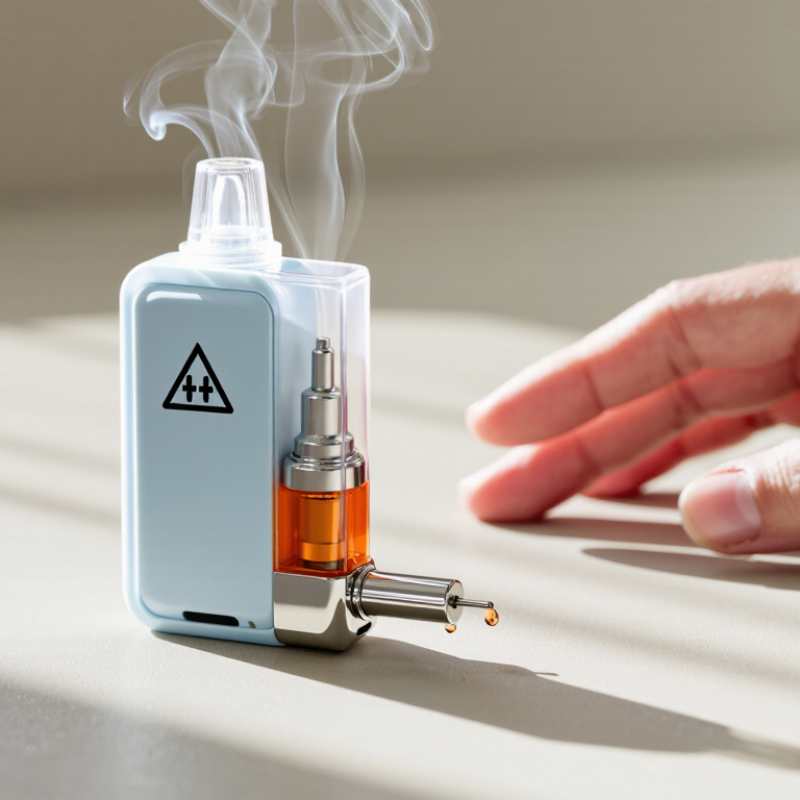
A disposable vape contains a small rechargeable lithium-ion battery, electrical contacts, a heating coil, and a wick holding liquid. When activated, the battery sends current through the coil. The coil warms the wick, producing an aerosol. It is a simple chain, but each part must work within its intended limits. Even a small device can store enough energy to become hazardous if its battery is damaged or overheated.
An explosion is uncommon, but battery failure can cause rapid heating, smoke, or fire. A hard drop may damage internal cells without leaving obvious marks. Moisture, crushed casing, blocked airflow, or excessive heat can also create problems. Not every failure is visible beforehand; that uncertainty matters. A warm device may simply be operating, but unusual heat, swelling, hissing, or a burnt smell should not be ignored. Stop using it, and keep it away from flammable materials.
Tips: Use only the charging method specified by the device instructions, and never leave charging unattended. Avoid hot cars, pockets with keys, and rough handling. Do not open, puncture, or attempt to repair a sealed device. If it becomes unusually hot or damaged, place it on a nonflammable surface away from people and combustibles, if safe to do so, and follow local guidance for battery disposal. Small devices deserve care, too.
Disposable vapes can overheat when their small lithium-ion batteries are damaged, defective, or exposed to excessive heat. A hard drop may harm internal components even when the casing looks intact. Manufacturing flaws can also create electrical faults. In rare cases, these faults trigger thermal runaway, a rapid rise in battery temperature that may lead to fire or rupture.
Heat matters. A device left on a sunny dashboard, beside a radiator, or under bedding may struggle to shed warmth. Charging can add risk if a rechargeable model uses an incompatible charger, or if its battery or cable is damaged. Blocked airflow and persistent use may contribute to excess heat, though they do not explain every incident. The exact cause is not always obvious from the outside. That uncertainty deserves attention.
Tips: Keep devices away from direct sunlight, water, and crushing pressure. Don’t use a swollen, leaking, unusually hot, or damaged vape. Stop charging if it heats up, smells strange, or behaves unexpectedly; place it away from flammable materials if safe to do so. Never puncture or open the casing. Follow the device instructions, and use local battery or electronic-waste collection guidance for disposal. Even careful handling cannot eliminate every defect.
Battery failure becomes more likely when a disposable vape is exposed to heat, physical damage, or moisture. A device left on a sunny dashboard can warm quickly, especially in a parked car. High temperatures may strain its lithium-ion cell and weaken surrounding components. Cold-to-warm temperature swings can also cause condensation. Small details matter.
Hard drops can dent the casing or disturb internal connections, even when the outside looks intact. A swollen body, unusual warmth, hissing, or a chemical smell deserves attention. Stop using the device if any of these signs appear. Do not charge it, open it, or press on the casing. I can’t diagnose a battery from appearance alone, and a normal-looking device is not proof of safety.
Charging conditions matter too. Only charge a device designed for recharging, using its specified cable and a stable surface away from bedding or paper. Never leave it charging unattended or overnight. Keep it dry, and don’t carry it loose with keys or coins that could damage the casing. This advice cannot remove every risk. If a device becomes hot or visibly damaged, keep people away and follow local guidance for safe battery disposal.
Buyers can reduce risk by checking a disposable vape before opening it. Look for intact packaging, clear manufacturer and battery information, and readable safety instructions. A credible product should have traceable contact details and relevant conformity information for the place where it is sold. A printed mark alone is not proof; labels can be copied. That part is easy to overlook.
Inspect the device itself. It should not be cracked, wet, leaking, unusually warm, or swollen. Check for loose parts, a burnt smell, or signs that the packaging has been resealed. If anything seems off, do not use it. Keep the receipt and ask the retailer about the product’s origin. I would not rely on a low price as evidence of poor quality, but an unknown seller with no product information deserves caution.
Use the device only as its instructions allow, and keep it away from direct sun, heaters, and hot cars. Do not carry it loose beside keys or coins, which may damage the casing. Stop using it if it heats up unexpectedly, makes hissing sounds, or leaks. Move away and seek emergency help if it smokes or catches fire; do not handle a smoking device. Even careful checks cannot guarantee safety, and that uncertainty is worth taking seriously.
Disposable vapes contain small lithium-ion batteries, which can overheat if damaged, exposed to high temperatures, or handled poorly. Store a device in a cool, dry place, away from direct sunlight, heaters, and hot cars. Keep it out of pockets with keys or coins, which can damage the casing or contact points. A drawer is usually better than a windowsill. Avoid storing it near paper, bedding, or other things that catch fire easily. Even careful storage cannot prevent every failure, so check the device for cracks, leaks, unusual heat, or a burnt smell.
Tips: Use the device only as its instructions allow. Do not open, crush, puncture, or try to repair it. If it becomes unusually hot, stop using it and place it away from flammable materials, if you can do so safely. Never charge a disposable device unless it is specifically designed to be rechargeable. That detail can be easy to overlook.
When a vape is empty or damaged, do not put it in household trash or recycling bins. Its battery may be damaged during collection or processing. Keep it away from children and pets, then take it to a battery or electronic-waste collection point that accepts these devices. Follow the collection site’s instructions, especially for leaking or swollen items; handling those yourself may not be safe.
| Safety topic | What can happen | Safer practice | Warning signs or next steps |
|---|---|---|---|
| Why a device may catch fire or rupture | Disposable vapes contain lithium-ion batteries. Battery damage, an internal fault, overheating, or a short circuit can cause a fire or, rarely, a violent failure. | Handle the device gently. Keep it away from crushing, punctures, and other physical damage. | Do not use a device that is cracked, crushed, leaking, unusually hot, swollen, or making unusual sounds. |
| Heat and sunlight | High temperatures can stress the battery and may increase the risk of malfunction or fire. | Store in a cool, dry place away from direct sunlight, heaters, hot vehicles, and open flames. Follow any temperature limits on the packaging. | If a device becomes hot, smokes, or emits a burning odor, move away and contact local emergency services if there is an immediate fire risk. |
| Charging | Charging a device not designed to be recharged, or using incompatible equipment, can create electrical and battery hazards. | Do not charge a disposable vape unless it is specifically designed to be rechargeable. If it is rechargeable, use only the method and accessories specified by its manufacturer, and do not leave it charging unattended. | Stop charging if the device or cable becomes unusually hot, damaged, or emits smoke or an unusual odor. |
| Carrying and handling | Metal objects can bridge electrical contacts on some batteries and cause a short circuit. Rough handling can also damage the battery. | Keep the device away from keys, coins, and other metal objects. Do not puncture, bend, dismantle, or modify it. | Keep damaged or leaking devices away from people, pets, and combustible materials. Do not attempt to repair them. |
| Storage around children and pets | Vape liquid may be harmful if swallowed or absorbed, and small devices can pose other household hazards. | Store devices securely, out of sight and reach of children and pets, in a dry location. | If liquid is swallowed or gets on skin or in eyes, contact a poison-control center or medical professional promptly and follow their instructions. |
| Disposal | Built-in batteries can start fires if damaged in household waste or mishandled during collection and processing. | Do not put disposable vapes in household trash or curbside recycling. Use a local battery or electronic-waste collection point that accepts vape devices, and follow local rules. | Do not put a hot, swollen, leaking, or smoking device in a collection bin. Keep away from flammable materials and ask local waste authorities for safe handling instructions. |
| In case of fire | A failing lithium-ion battery can release intense heat, smoke, and potentially hazardous gases. | Prioritize people’s safety. Move away from the device, avoid breathing smoke, and do not handle it. | Call local emergency services for a fire or immediate danger. Follow responders’ instructions; do not attempt to retrieve or dispose of a device that is still hot or smoking. |
A damaged or defective battery, high temperatures, or a charging fault can cause overheating. A sunny car dashboard is one example.
Yes. Internal parts may be harmed even if the casing looks normal. Don’t assume it is safe based on appearance alone.
Stop if it becomes unusually hot, swollen, cracked, wet, or leaky. Hissing or a strange smell also deserves attention.
Stop charging, if you can do so safely, and move it away from paper or bedding. Don’t leave it charging overnight or unattended.
Keep the device out of direct sun, hot cars, and near heaters. Avoid storing it under bedding.
Look for intact packaging, readable safety instructions, and clear battery and manufacturer information. A printed mark alone cannot prove safety.
No. Some internal faults are not visible. That uncertainty is easy to underestimate.
Don’t open, puncture, or press on it. Keep people away from a hot or visibly damaged device, and follow local battery disposal guidance.
Move away and seek emergency help. Do not handle a smoking device.
Disposable vapes rely on a small rechargeable or built-in battery to power a heating element that warms the liquid. When the battery, circuitry, or heating system is damaged or put under unusual strain, excess heat may build up. So, can disposable vapes explode? In rare cases, a failing or severely overheated battery can rupture or vent forcefully, especially if it is crushed, punctured, exposed to high temperatures, or charged improperly.
Buyers can reduce risk by choosing products with clear safety information and checking for damaged packaging, leaks, unusual swelling, or excessive warmth. Stop using a device that shows these warning signs, and keep it away from flammable materials. Store vapes in a cool, dry place, protect them from impact and direct sunlight, and follow the manufacturer’s instructions for use and charging. When a device is empty or damaged, dispose of it through an appropriate battery or electronics collection service rather than placing it in regular household waste.

Velour Vape