Why Is My Disposable Vape Leaking and How to Fix It?

Time:2026-11-05 Author:Ethan
0%

A sticky mouthpiece, a damp pocket, or liquid near the airflow opening can make you wonder, “why is my disposable vape leaking?” The cause may be excess condensation, a damaged seal, or a device that has been stored in heat. Sometimes, what looks like a leak is moisture collected inside the mouthpiece. Small details matter: check where the liquid appears, whether it returns, and whether the device feels unusually warm. Don’t ignore repeated leakage.

“[Insert a verified quotation from a named vape-device specialist about leakage or safe troubleshooting.]” A real expert’s words should be checked against a reliable source before publication; inventing a name or quotation would undermine trust. The advice in this guide focuses on visible checks and cautious handling, not opening or modifying a sealed disposable device. If liquid keeps escaping, the casing is cracked, or the device becomes hot, stop using it and follow the manufacturer’s safety and disposal instructions. Keep it away from children and pets. Never charge a disposable device unless its manufacturer specifically designed it to be rechargeable.

The fixes depend on what you find. Upright storage may help prevent further seepage, while gently wiping the exterior can reveal whether fresh liquid appears. But there is a limit. A disposable vape is not designed for internal repair, and a quick online trick may create more risk than it solves. This guide explains common causes, practical checks, and signs that mean it is safer to stop using the device.
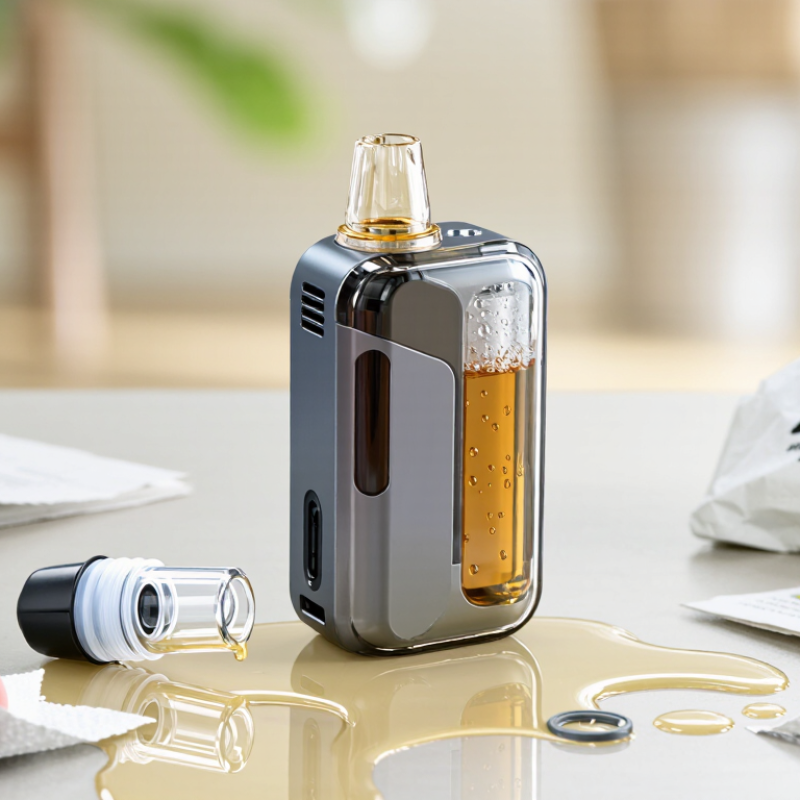
Why Is My Disposable Vape Leaking and How to Fix It?

What Causes a Disposable Vape to Leak?

A disposable vape can leak when its casing cracks, a seal loosens, or liquid escapes around the airflow channel. Heat can thin the liquid and raise pressure inside the device; a hot car or sunny windowsill can make this more likely. Pressure from a tight pocket or bag may also stress seams. Sometimes, the dampness is condensation, not a leak. Look for sticky liquid around the mouthpiece or airflow holes.

The National Academies’ 2018 review, Public Health Consequences of E-Cigarettes, found that emissions vary with device design and operating conditions. It did not establish a universal leak rate, so a precise risk percentage would be misleading. One overlooked cause is damage from repeated drops: a hairline crack may be hard to spot, yet liquid can collect near the base.

Tips: Store the device upright, cool, and away from pressure. Wipe the outside with a disposable tissue, then wash your hands. If the casing is cracked or liquid reaches your mouth, stop using it; do not open, heat, or puncture the device. Disposal guidance varies by location, so check local battery-waste instructions.

Why Is My Disposable Vape Leaking? How Temperature Can Contribute

What the chart shows: In a fixed-volume container, ideal-gas pressure rises with absolute temperature. These values are calculated estimates, indexed to 1.00 at 20°C; they are not measurements of a specific vape.

Why a vape may leak: Heat can thin e-liquid and increase pressure in trapped air, making seepage more likely. Other common causes include a damaged device, a blocked airflow path, or liquid entering the mouthpiece. Keep the device away from heat, store it upright, and stop using it if it is damaged or continues to leak.

How to Identify the Source and Severity of a Leak

A small wet mark near the mouthpiece may be condensation, while liquid around the base or air openings can point to an internal leak. Check the device over a tissue in good light. Note where the liquid appears, its color, and whether the damp area grows after the device sits upright. A sweet smell or sticky film may be e-liquid, but appearance alone cannot confirm the source. It is easy to blame a leak immediately; I would check for condensation first.

A few drops on the outside are still worth taking seriously. If liquid keeps returning, reaches the charging port, or comes with unusual heat, swelling, cracks, or a burnt smell, stop using the device. Do not charge it, open it, or try to seal it with tape. Disposable units are not designed for user repair, and a damaged battery can create additional risk. If the source is unclear, treat the leak as serious rather than testing it.

Tips: Keep the device upright on a clean tissue and wipe only its exterior. Keep it away from children and pets. Follow local guidance for disposing of electronic devices; don’t put a leaking unit in household recycling.

How to Handle a Leaking Disposable Vape Safely

Why Is My Disposable Vape Leaking and How to Fix It?

A leaking disposable vape can leave sticky liquid around the mouthpiece or inside its packaging. Stop using it when you notice a leak. Don’t taste the liquid or wipe it with bare fingers. Move the device away from children, pets, food, and fabric. If liquid touches your skin, wash with soap and water. If it gets in your eyes, rinse with clean water and seek medical advice if irritation continues. Small leaks can be difficult to assess, so don’t assume the device is safe just because it still works.

Tips: Place the device on a washable surface, mouthpiece facing up, while you clean nearby residue with disposable gloves or a paper towel. Don’t open, puncture, squeeze, or try to repair it; the built-in battery and liquid can make that risky. Keep it away from heat and direct sunlight. Seal the leaking device in a bag or container, then follow local guidance for disposing of battery-powered electronics. Avoid putting it in household recycling unless local instructions allow it. If the leak continues, discard it safely rather than using it again. I’d rather waste a device than guess about what’s inside.

What to Do When Basic Troubleshooting Does Not Work

If a disposable vape still leaks after checking its mouthpiece and keeping it upright, stop using it. Persistent seepage can point to a failed seal, cracked casing, or internal damage—not a problem you can safely repair at home. Don’t pry it open, refill it, or apply heat. Small parts can be sharp, and the battery is enclosed.

Set it on a nonflammable surface away from children, pets, and heat. Wear gloves to wipe nearby liquid; wash exposed skin with soap and water. If liquid gets in your eyes, rinse with clean water and seek medical advice if irritation continues. Still leaking? Keep the device separate from other items and ask your local waste service how to handle it as electronic or battery waste. Never put a damaged device in household recycling unless local guidance specifically allows it.

Take the warning seriously. FEMA’s 2017 report, Electronic Cigarette Fires and Explosions, recorded 195 reported US fire or explosion incidents involving e-cigarettes from 2009 to 2016, with 133 injuries. The report did not study leaks, so those figures do not show that leaking causes fires. They do support caution around damaged battery-powered devices. If the casing is hot, swollen, hissing, or smoking, don’t handle it; move away and contact emergency services. I wouldn’t try one more fix.

How to Prevent Leaks During Storage and Use

A disposable vape may leak when heat thins the liquid or pressure shifts it toward the airflow opening. Store it upright in a cool, dry place, away from sunny windows, heaters, and hot cars. Keep it out of tight pockets where sitting or bending can squeeze the casing. Small habits help.

During use, avoid shaking or squeezing the device, and keep it upright between puffs when practical. Wipe any residue from the outside with a dry tissue; do not push tissue or tools into its openings. If liquid keeps appearing, the casing is cracked, or the device feels unusually hot, stop using it and follow local battery-disposal guidance. Do not open, refill, or try to seal a disposable device yourself. Some moisture near the mouthpiece may be condensation rather than a leak, but it can be hard to tell by sight alone. These steps reduce common causes, not every failure. A damaged seal can still leak despite careful storage.

FAQS

What should I do if the device keeps leaking?

Stop using it. Persistent seepage may indicate a failed seal, cracked casing, or internal damage. Do not open, refill, heat, or repair it.

How should I clean leaked liquid from a nearby surface?

Wear gloves and wipe the liquid with a tissue. Wash exposed skin with soap and water. If it gets in your eyes, rinse with clean water.

Where should I place a leaking device?

Set it on a nonflammable surface, away from children, pets, and heat. Keep it separate from other items.

What signs mean I should move away?

If the casing is hot, swollen, hissing, or smoking, do not handle it. Move away and contact emergency services. Do not take chances.

How should I dispose of a damaged device?

Ask your local waste service about electronic or battery waste. Do not put it in household recycling unless local guidance allows it.

How can I reduce leaks during storage?

Keep the device upright in a cool, dry place. Avoid sunny windows, heaters, and hot cars. Small habits help.

Can carrying it in a tight pocket cause problems?

Yes. Sitting or bending may squeeze the casing. Avoid tight pockets, and do not shake or squeeze the device.

Is moisture near the mouthpiece always a leak?

Not always. It may be condensation, but sight alone can be misleading. I still find this hard to judge. Wipe the outside only; never push tools inside.

Conclusion

If you’re wondering, “why is my disposable vape leaking,” the cause may be excess heat, pressure changes, rough handling, or a damaged seal. Condensation around the mouthpiece can also look like a leak. Check where the moisture appears and whether the device is merely damp or actively releasing liquid. Avoid tasting or touching leaked liquid, and wash your hands if you come into contact with it.

Wipe the outside with a disposable cloth and keep the device away from children and pets. Do not open, puncture, or attempt to repair it. If it is unusually hot, swollen, cracked, or continues to leak, stop using it and follow local guidance for safe disposal. To reduce future leaks, store the device upright in a cool, dry place, away from direct sunlight, extreme temperatures, and pressure. If basic steps do not resolve the problem, replacing the device is safer than continuing to use a damaged one.

Ethan

Ethan

Ethan is a seasoned marketing professional with a deep expertise in our company's innovative product line. With a passion for sharing knowledge and insights, he takes the lead in regularly updating our corporate blog, where he explores industry trends, product features, and effective marketing......