As the debate over vaping intensifies, many wonder, "are disposable vapes being banned?" The rising concerns over health effects and environmental impact have sparked discussions around regulation. Experts like Dr. Evelyn Carter, a noted public health researcher, emphasize the gravity of the situation. She states, “The future of disposable vapes lies in how society addresses health and sustainability.”
Disposable vapes have surged in popularity among young adults. Easy to use and widely marketed, they present unique challenges. While some view them as a safer alternative to traditional smoking, others worry about their long-term consequences. The question remains: will governments take action?
With increasing scrutiny, the landscape may shift dramatically by 2026. The urgency for regulatory measures is evident, as is the necessity for a balanced discourse. Stakeholders need to consider both public health and the industry's future. Are we prepared for the changes ahead? Only time will tell.
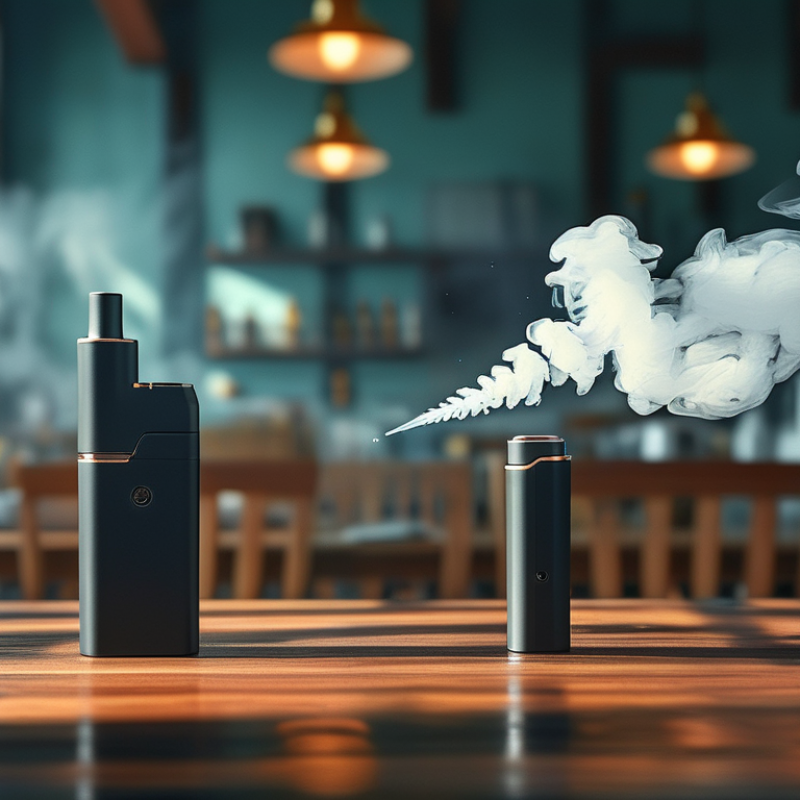
In 2026, the landscape of disposable vape usage is shifting significantly. Many regions are intensifying their scrutiny of vaping products. Health concerns regarding vaping’s impact on youth are driving these changes. Data reveals an alarming rise in vaping among adolescents. This has prompted public health officials to take action.
A closer look at trends shows changing consumer preferences. Eco-conscious consumers are seeking alternatives. Reusable devices and sustainable options are gaining traction. Manufacturers face increased pressure to innovate. They must balance convenience with environmental accountability. Yet, some customers remain loyal to disposables due to their ease of use.
Regulatory measures are also evolving. Various countries are implementing stricter regulations around sales and marketing. Discussion surrounding safety standards and product quality is becoming commonplace. This evolving landscape creates uncertainty. It's crucial for manufacturers and consumers to stay informed and adaptive. The future of disposable vapes is still in flux, inviting reflection on sustainability and health implications.
This chart illustrates the projected usage trends of disposable vapes across different age groups in 2026. The data indicates a significant increase in usage among young adults, while trends in older age demographics show a more stabilized pattern.
Regulatory developments around disposable vapes are evolving rapidly. Many countries are reconsidering their policies. Concerns about health and environmental impacts drive these changes. Some regions may opt for stricter regulations, while others explore total bans.
In places like Europe, lawmakers are debating potential limits on sales. They focus on youth access and product safety. There are discussions about the environmental footprint of disposable products as well. Countries like Australia and Canada are also evaluating regulations to ensure public health safety.
These developments show the complexity of governing a rapidly changing market. Stakeholders must consider various factors. Awareness of health implications is crucial. However, it also raises questions about personal choice and economic impact. Balancing regulation and consumer freedom is not simple. As these conversations evolve, the future landscape of disposable vapes may look very different.
| Region | Current Regulation Status | Potential Future Changes | Consumer Impact |
|---|---|---|---|
| North America | Various state regulations, some proposing bans | Possible federal regulation by 2026 | Increased prices and reduced availability |
| Europe | EU TPD regulations apply, some nations considering bans | Stricter regulations anticipated in 2026 | Access restrictions and possible black market growth |
| Asia-Pacific | Mixed regulations; some nations have outright bans | Increased regulatory scrutiny expected | Market instability and potential black market increases |
| Latin America | Limited regulations present; few countries considering stricter laws | Potential for regulation growth | Limited consumer awareness; market growth challenges |
| Middle East | Very strict regulations; many countries ban vaping products | No significant changes expected | Minimal consumer impact due to bans |
The discussion around the regulation of disposable vapes has intensified, particularly in the context of public health. Reports indicate that the global disposable vape market reached approximately $4 billion in 2022, with projections suggesting growth up to $10 billion by 2026. This rapid expansion highlights a concerning trend, especially among young consumers. Many public health experts argue that such increases could lead to higher rates of nicotine dependence among adolescents.
A recent survey indicated that nearly 20% of high school students in the U.S. reported using e-cigarettes, with a significant portion opting for disposables. Critics of these products emphasize their appealing flavors and ease of use, which may attract younger users. Additionally, studies show that nearly 70% of young users believe that disposable vapes have fewer health risks compared to traditional cigarettes. This perception poses challenges for health professionals advocating for stricter regulations.
While the benefits of smoking cessation tools exist, the potential health risks associated with disposables remain unclear. Experts call for more comprehensive research to evaluate long-term impacts. Many agree that having easily accessible products can complicate public health messaging. Thus, the ongoing debate over disposable vapes raises questions about balancing consumer choice with health advocacy.
The potential ban on disposable vapes in 2026 raises significant economic questions. The disposable vape market was valued at approximately $11.4 billion in 2022. Analysts expect rapid growth, projecting it to hit $23 billion by 2027. However, a ban could disrupt this trajectory.
Manufacturers face severe challenges if a ban is implemented. They may incur losses in production and distribution. Job losses in the sector could climb, affecting thousands. According to the International Journal of Environmental Research and Public Health, about 81% of disposable vape users are under 35, emphasizing the social impact of such a ban.
Regulators must consider both public health and economic impact. The vaping industry contributes to local economies through jobs and taxes. A sudden ban may lead to black market activities, undermining public safety efforts. If consumers turn to alternatives, these markets may lack oversight. Balancing health concerns and economic stability is a complex task. The stakes are high, suggesting a need for thorough discussion and research.
As regulatory changes loom over disposable vapes, consumer reactions are increasingly noteworthy. Research indicates that 42% of users express concern about these upcoming bans. Many are unsure how to adapt to a potential shift towards more sustainable alternatives. This hesitation can be attributed to a lack of awareness regarding the available options. The industry shows that 34% of respondents have not looked into refillable vapes or other eco-friendly products.
Moreover, the data suggests that 61% of consumers are willing to switch to regulated products if they provide equivalent satisfaction. This willingness hints at a potential shift in consumer behavior. Yet, only 15% reported having researched the health implications of different products. The disconnect between intention and action could impede a smooth transition for many users.
Interestingly, social media sentiment analysis reveals a mixed response. Some users express frustration over the abrupt changes. Others view this as a necessary step towards improved public health. The gap in information and awareness may create challenges for companies trying to educate users about compliant products. Navigating this landscape requires genuine efforts from both the industry and regulators to ensure a smooth shift.
: The global disposable vape market was valued at approximately $4 billion in 2022.
Projections suggest the market could grow up to $10 billion by 2026.
Their appealing flavors and ease of use attract younger consumers, leading to increased usage.
Nearly 70% of young users believe disposable vapes have fewer health risks than traditional cigarettes.
A ban could lead to job losses, affecting thousands and disrupting the market.
About 42% of users express concern about upcoming bans and are unsure how to adapt.
Yes, 61% of consumers are willing to switch if regulated products offer the same satisfaction.
The disconnect between users' intentions and actions may create barriers for a smooth transition.
Social media shows mixed reactions, with some frustrated and others supporting the changes for better health.
Genuine efforts from both the industry and regulators are essential for user awareness about compliant products.
The article titled "Are Disposable Vapes Being Banned in 2026 Global Insights?" explores the evolving landscape of disposable vape usage and regulations projected for 2026. It provides a comprehensive analysis of global trends in disposable vape consumption, highlighting increasing regulatory measures that governments worldwide are adopting in response to public health concerns. These regulations could potentially lead to widespread bans, prompting discussions on the implications for public health and consumer behavior.
Additionally, the article delves into the economic impact of a potential disposable vape ban, considering both the market dynamics and shifts in consumer preferences. As society grapples with these changes, understanding how consumers respond and adapt to such regulatory frameworks will be crucial. Overall, it raises the critical question: "are disposable vapes being banned?" and emphasizes the significance of regulatory developments in shaping the future of vaping products.

Velour Vape