Are Disposable Vapes Environmentally Friendly Alternatives?

Time:2026-07-01 Author:Sophia
0%

The rise of disposable vapes has sparked a critical debate: are disposable vapes environmentally friendly? According to the World Health Organization, over 30% of young adults in several countries have tried vaping. With this rapid increase, the environmental implications of disposable vaping products have become more pressing.

Reports indicate that millions of disposable vapes are discarded annually, contributing significantly to electronic waste. The materials used in these devices, such as lithium batteries and plastic casings, take years to decompose. A study from the Environmental Protection Agency outlines that improper disposal can lead to hazardous substances leaking into the ecosystem. The convenience of these products often overlooks their long-term impact on the environment.

While some claim disposable vapes reduce cigarette waste, the broader ecological footprint remains concerning. The recycling options for these devices are limited and insufficiently promoted. It's essential to reflect on the balance between individual convenience and collective responsibility. Exploring sustainable alternatives is crucial in addressing the pressing question: are disposable vapes environmentally friendly?
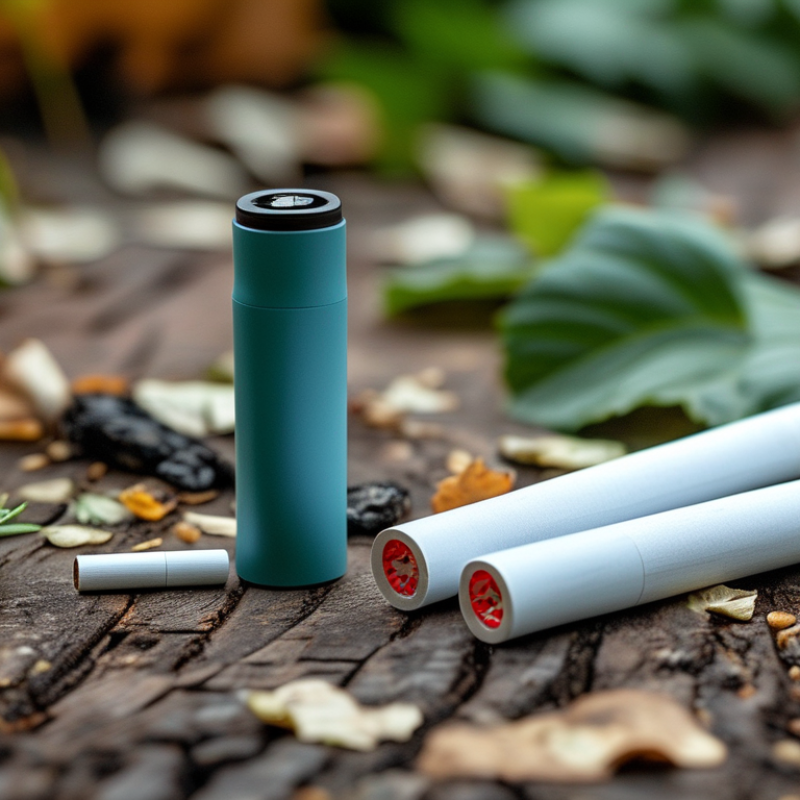
Are Disposable Vapes Environmentally Friendly Alternatives?

Understanding Disposable Vapes: Composition and Functionality

Disposable vapes have gained popularity as a convenient alternative to traditional smoking. Their design is simple. They contain a battery, a heating element, and a liquid that often contains nicotine. Once depleted, they are discarded. This leads to questions about their composition and environmental impact. Many disposable vapes use plastic materials and lithium batteries, both of which pose disposal challenges.

The construction of these devices emphasizes convenience. However, the environmental footprint is significant. Many users do not consider the disposal process. Improper disposal can lead to littering and environmental hazards. Additionally, the chemicals in e-liquids can leak into ecosystems. It raises concerns about pollution. Many people feel conflicted about their convenience versus their ecological impact.

Understanding the materials used in disposable vapes is crucial. They often contain non-biodegradable plastics that may take decades to decompose. Recycling options are limited, which complicates responsible disposal. Users might feel responsible for their choices but often lack access to proper disposal methods. This gap highlights a need for more education and solutions in the vaping industry.

Environmental Impact of Disposable Vapes

This bar chart illustrates the average environmental impact of a single disposable vape in terms of plastic waste, battery waste, toxic chemicals, and corresponding carbon footprint. The data highlights concerns over the sustainability of using disposable vapes as an alternative to traditional smoking products.

Environmental Impact of Disposable Vapes Compared to Traditional Cigarettes

The environmental impact of disposable vapes has become a hot topic. Many believe these devices are better for the planet than traditional cigarettes. However, a closer look reveals a more complex picture.

Disposable vapes often contain harmful materials. Their plastic casings and battery components pose recycling challenges. Cigarettes, while notorious for pollution, decompose quicker but leave toxic residues. Both options damage ecosystems, but the hidden costs of vaping are significant. For instance, discarded vapes can leach chemicals into soil and waterways.

Public perception often leans toward vapes being less harmful. Yet, data shows that as their popularity rises, so does waste. Many vapes are used only once and thrown away. This practice creates a substantial waste problem. As we navigate this issue, it's essential to question if these devices truly serve the environment better than cigarettes.

Recycling and Waste Management of Disposable Vapes: Current Practices

Disposable vapes have surged in popularity. However, their environmental impact is concerning. Research shows that over 1.8 billion disposable vapes were sold in the U.S. in 2022 alone. Much of this waste ends up in landfills. Many users do not know how to dispose of them responsibly.

Current recycling practices for disposable vapes are inadequate. Lithium-ion batteries pose a significant risk. According to the Environmental Protection Agency, improper disposal can lead to toxic chemical leaks. Yet, many recycling programs do not accept these devices. In fact, a study revealed that only 10% of e-waste is recycled properly in the U.S. This inefficiency highlights the need for better recycling initiatives.

Education and awareness are crucial. Many users unaware of local recycling options contribute to unnecessary waste. Research indicates that communities with targeted educational programs see recycling rates improve. However, the industry lacks cohesive recycling protocols. Addressing these gaps is essential for a sustainable future.

Are Disposable Vapes Environmentally Friendly Alternatives? - Recycling and Waste Management of Disposable Vapes: Current Practices

Category Current Practice Impact on Environment Recycling Rate (%)
Battery Disposal Landfill Toxic leakages and soil contamination Less than 5%
Plastic Waste Incineration Air pollution and greenhouse gas emissions 10% - 15%
E-liquid Containers Recycling Programs Reduced plastic pollution potential 20% - 25%
Overall Vape Waste Landfill and Partial Recycling Contributes to environmental degradation 15% - 20%
Consumer Awareness Limited education on disposal High potential for recyclable waste Varies widely

Health Risks and Benefits of Using Disposable Vapes

Disposable vapes have gained popularity for their convenience. Many believe they are a safer alternative to traditional smoking. However, this assumption requires a deeper look into their health risks and benefits.

One significant benefit of disposable vapes is reduced exposure to harmful tar and toxins found in combustible cigarettes. Research indicates that these devices can lower the risk of certain smoking-related diseases. Yet, their use is not entirely without danger. They often contain nicotine, which is highly addictive. This addiction can lead to increased use over time, potentially resulting in negative health outcomes.

Moreover, disposable vapes pose environmental concerns. They contribute to plastic waste and can harm wildlife if not disposed of properly. While some users appreciate the ease of disposal, that convenience comes with a cost to our planet. Reflecting on this trade-off can lead to more informed choices about vaping and its broader implications. Balancing the appeal of disposable vapes with their potential health risks and environmental impact is essential for creating a responsible vaping culture.

Sustainable Alternatives to Disposable Vapes: What Are the Options?

Disposable vapes have surged in popularity, but their environmental impact raises concerns. Many users seek sustainable alternatives that can reduce harm to the planet. One effective option is refillable vape devices. These devices can last much longer than disposables and significantly cut down on waste. A report from the International Journal of Environmental Research highlighted that refillable systems reduce ecological footprints by up to 80%.

Another alternative is nicotine pouches, which are less harmful to the environment. They produce no plastic waste and can be easily incorporated into daily routines. A study by the Tobacco Control blog noted an increase in users opting for these pouches, showcasing a trend toward more sustainable choices. However, the question remains if these alternatives truly fulfill user needs.

Tips: Consider switching to a reusable vape to lower waste. Explore nicotine pouches as a less damaging option. Each small change contributes to a larger goal of sustainability. Reflect on your habits: are they aligned with a greener future? Engaging in this self-assessment can lead to healthier choices and a more responsible lifestyle.

FAQS

: What are disposable vapes made of?

: Disposable vapes consist of a battery, heating element, and liquid, often containing nicotine.

How should I dispose of a disposable vape?

Many users are unsure how to dispose of them responsibly, leading to potential environmental harm.

Do disposable vapes have a significant environmental impact?

Yes, their plastic materials and batteries pose recycling challenges and environmental risks.

Are disposable vapes better for the environment than traditional cigarettes?

The comparison is complex; both have environmental drawbacks, but vaping waste is significant.

Why is recycling of disposable vapes difficult?

Current recycling programs often don’t accept these devices, and lithium-ion batteries are hazardous.

How much vaping waste ends up in landfills?

In 2022, over 1.8 billion disposable vapes were sold in the U.S., much of which is wasted.

What can users do to reduce waste?

Users can seek education on local recycling options to manage waste better.

Is there enough awareness about vaping waste issues?

Many users lack awareness of disposal options, leading to increased unnecessary waste.

What role does education play in recycling?

Targeted educational programs can improve recycling rates in communities significantly.

Are there any solutions to improve recycling practices?

The vaping industry needs more cohesive recycling protocols to address current gaps effectively.

Conclusion

The article titled "Are Disposable Vapes Environmentally Friendly Alternatives?" explores the environmental implications of disposable vapes and compares them to traditional cigarettes. It begins by detailing the composition and functionality of disposable vapes, highlighting their convenience but also the materials that contribute to waste. The environmental impact of these devices is examined, revealing that while they may produce less smoke than cigarettes, their disposable nature leads to significant plastic and battery waste.

Furthermore, the article discusses current recycling and waste management practices for disposable vapes, indicating that many end up in landfills due to inadequate disposal systems. It also addresses the health risks and benefits associated with using these devices, prompting a conversation about their safety. Lastly, the article introduces sustainable alternatives to disposable vapes, encouraging consumers to consider more eco-friendly options. Overall, it raises important questions regarding whether disposable vapes are truly environmentally friendly alternatives, emphasizing the need for greater awareness and responsibility in disposal practices.

Sophia

Sophia

Sophia is a dedicated marketing professional with an exceptional depth of knowledge about her company's products and services. With a keen understanding of market trends and customer needs, she crafts insightful blog posts that not only inform but also engage readers, enriching the company’s online......