Disposable vapes have gained popularity, but safely discarding them remains a critical issue. Many users wonder how to dispose of a disposable vape safely. Understanding the risks involved with improper disposal is essential for everyone. These devices often contain harmful chemicals and materials that can harm the environment.
Improper disposal can lead to pollution. It is easy to overlook the consequences of throwing them away carelessly. Individuals should be aware of the local regulations surrounding vape disposal. Recycling options might be available, but not all areas offer this service.
Consumer education is vital for responsible vape disposal. Using available resources can help minimize environmental impact. Taking the time to research proper methods is not just responsible; it is necessary. Communities must work together to raise awareness about the importance of safe disposal.
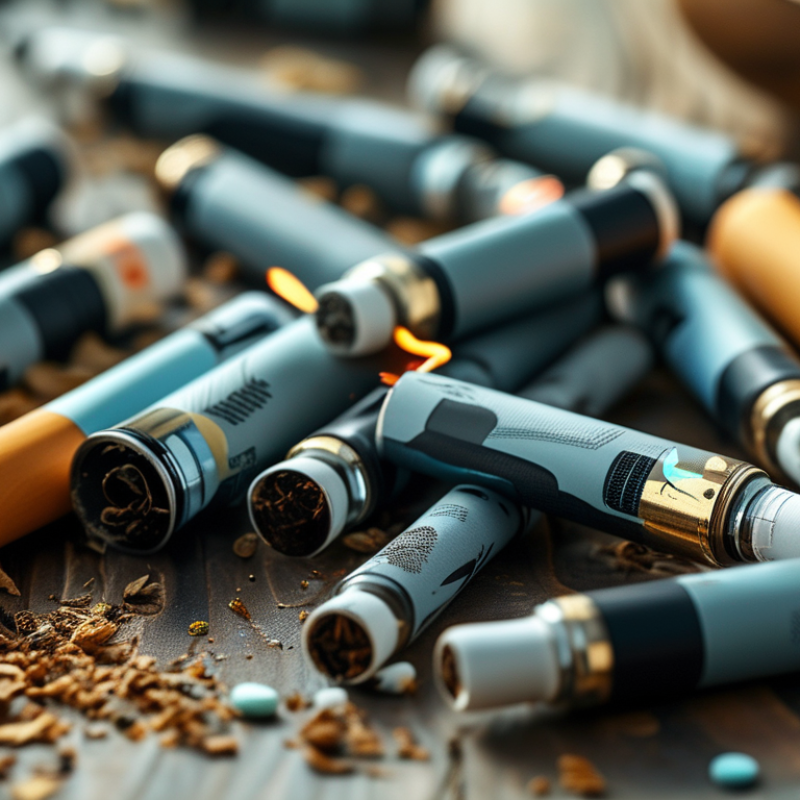
Disposable vapes, often viewed as convenient, present significant environmental challenges. These devices typically contain batteries, plastic, and e-liquid remnants. According to a 2022 environmental report, over 10 million disposable vapes ended up in landfills. This creates a heavy burden on waste management systems.
The lithium batteries in these vapes are particularly concerning. They can leak harmful substances into the soil and water. A study by the Environmental Protection Agency (EPA) shows that improper disposal can lead to soil contamination. Less than 5% of disposable vapes are recycled, illustrating a serious oversight in waste practices. Many users are unaware of this impact.
There’s a need for better consumer education. Understanding the consequences of improper disposal is critical. Many users discard vapes casually. However, each device contributes to a larger problem. The conversation around sustainable disposal methods must grow. Encouraging retailers to adopt take-back programs could help mitigate this issue.
Disposable vapes are made from various components. Knowing these parts helps in their safe disposal. Common materials include plastic, metal, and lithium batteries. The plastic casing is usually non-biodegradable. This fact raises concerns about environmental impact.
Lithium batteries, often found in these devices, require special handling. Improper disposal can lead to hazardous waste. In the U.S., approximately 70 million batteries are improperly discarded each year. This misuse poses risks of soil and water pollution. Be aware that many areas have regulations regarding battery disposal.
Tips: Always check local recycling programs. Some places accept electronic devices, including vapes. It’s crucial to remove the battery before disposal. This step can mitigate potential environmental harm. Consider returning unused vapes to designated take-back locations. Engaging with community recycling initiatives promotes responsible behavior. Protecting our environment starts with each individual's choices.
When it comes to disposing of a disposable vape, it’s crucial to do so safely. Disposable vapes contain batteries and electronic components that aren’t biodegradable. Many people don’t know how to dispose of them properly, which can endanger the environment. Start by checking local waste disposal regulations. Some places have specific guidelines for e-waste.
After understanding the rules, remove any batteries from the device if possible. Many local electronics stores or recycling centers accept these batteries separately. Place the empty vape in a sealed plastic bag to prevent leakage. If you can, take it to a designated e-waste facility. Consider reaching out to local recycling programs for guidance, as they often provide safe disposal options.
Reflect on the impact of improper disposal. Tossing your vape in the trash can harm local wildlife and pollute soil and water. Small actions matter. Make a habit of looking for eco-friendly disposal methods. It’s not just about your vape; it’s about caring for our planet. Being aware and responsible is a step everyone can take.
When disposing of disposable vapes, proper recycling is crucial. Many people overlook this aspect, creating environmental hazards. According to industry reports, e-waste, which includes vapes, is one of the fastest-growing waste streams globally. The Environmental Protection Agency (EPA) estimates that over 3 million vapes are discarded annually in the U.S. alone. Each vape contains materials that can be toxic if not processed correctly.
To recycle vapes responsibly, look for designated recycling facilities in your area. Many municipalities now offer special e-waste collection programs. Some stores also have drop-off boxes for e-cigarette waste. The California Department of Resources Recycling and Recovery emphasizes that only specific facilities can handle the lithium batteries found in vapes. Simply throwing them in regular trash can lead to hazardous chemical leaks.
Remember, not all recycling centers accept disposable vapes. It's essential to check local guidelines. This calls for community awareness and proactive efforts in identifying proper disposal methods. The lack of clear information often leads to confusion, resulting in improper disposal. Finding your nearest recycling facility is the first step toward responsible vaping. Each action, no matter how small, contributes to a healthier planet.
Disposable vapes have become increasingly popular. However, they contribute to significant environmental issues. A recent study found that 2.5 million e-cigarettes are disposed of daily in the United States alone. This number raises urgent concerns about waste management in the vaping industry. Each vape device contains hazardous materials. These include lithium batteries and plastics that can harm ecosystems if not disposed of correctly.
To promote sustainability, users can start by recycling their vapes. Many places now offer recycling programs specifically for electronic waste. Reports indicate that up to 90% of components in disposable vapes can be recycled. This includes metals and some plastics, making it easier to reduce overall waste. Proper disposal reduces landfill contributions and conserves resources.
It is essential to educate others about the impact of improper disposal. Social media campaigns can play a crucial role here. Community engagement can foster responsible habits among users. Not all disposable vape materials are biodegradable. Real changes require collective responsibility. Each small action contributes to a larger shift towards sustainability. Combatting the waste crisis requires ongoing reflection and adaptation in our behaviors.
: Safe disposal prevents environmental harm. Vapes contain batteries that can leak toxic chemicals.
Check local waste disposal regulations. Know the specific guidelines for electronic waste.
Yes, if possible. Many stores or recycling centers accept batteries separately for recycling.
Place it in a sealed plastic bag. This prevents any leakage during transport.
Look for local e-waste collection programs or stores with drop-off boxes for e-cigarette waste.
It can harm wildlife and pollute soil and water. Proper disposal is essential for our ecosystem.
The article "How to Dispose of a Disposable Vape Safely and Responsibly" addresses the critical issue of the environmental impact associated with disposable vapes. It begins by educating readers on the components of a disposable vape, such as batteries and plastic, which can contribute to pollution if not disposed of properly. The article emphasizes the importance of understanding these elements to ensure safe disposal practices.
To safely dispose of a disposable vape, the article outlines specific steps, including removing any batteries and identifying local designated recycling facilities. Furthermore, it advocates for best practices that not only minimize vape waste but also promote sustainability in vaping habits. Overall, the article serves as a comprehensive guide on how to dispose of a disposable vape safely, encouraging responsible behaviors that benefit both the environment and public health.

Velour Vape