Top 10 Insights on the Future of Disposable Vape Industry?

Time:2026-07-19 Author:Liam
0%

As the disposable vape industry continues to evolve, many wonder, "what is the future of the disposable vape industry?" Industry expert Dr. Sarah Mitchell states, "The future is about innovation and sustainability." This statement reflects a growing trend in the market toward eco-friendly options and technological advancements.

Currently, disposable vapes face scrutiny regarding their environmental impact. Users seek convenience, but the industry must balance convenience with responsibility. Brands are exploring biodegradable materials and recycling programs. As technology progresses, we may see devices with longer-lasting batteries and flavors tailored to consumer preferences.

While the market is expanding, challenges remain. Regulatory changes may shape product availability and design. Companies must adapt to maintain relevance in an ever-changing landscape. This dynamic environment encourages reflection on responsible use and innovation. The future of disposable vapes hinges on companies embracing change while addressing environmental concerns.
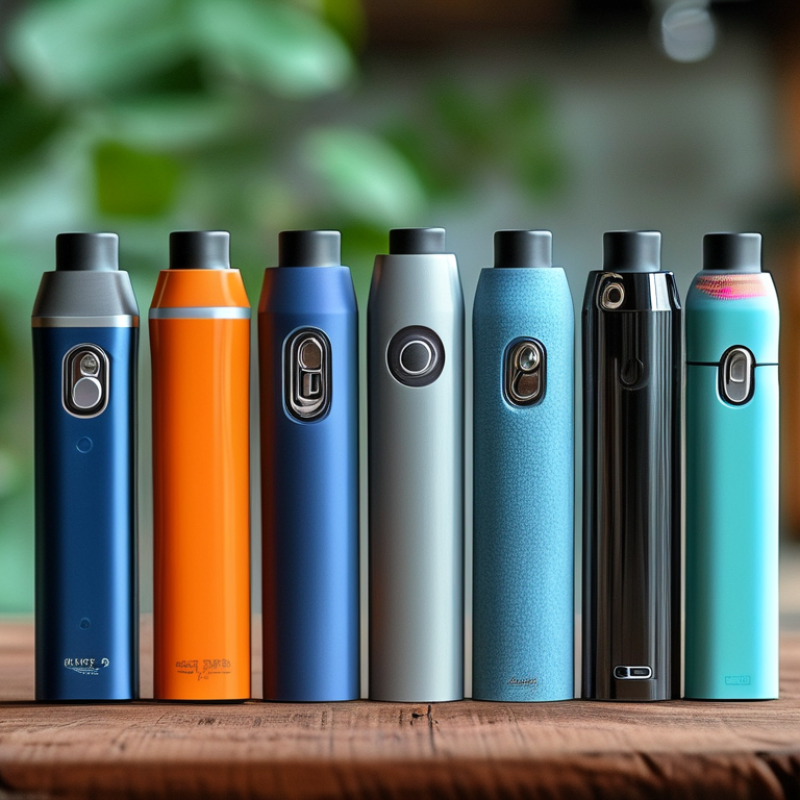
Top 10 Insights on the Future of Disposable Vape Industry?

Emerging Trends in Disposable Vape Product Development

The disposable vape industry is experiencing dynamic changes. One prominent trend is the shift toward sustainable materials. Manufacturers are exploring biodegradable options to reduce environmental impact. This move can attract eco-conscious consumers and enhance brand loyalty. However, the technology needed for these innovations is still developing.

Flavor diversity is another emerging trend. Brands are expanding their flavor profiles beyond the conventional ones. Unique combinations and seasonal offerings are becoming popular. This variety caters to evolving consumer tastes. Yet, balancing flavor intensity with safety standards is challenging for manufacturers.

Customization options are also gaining traction. Consumers want products tailored to their preferences. Brands are responding by allowing personalized vape settings and designs. This trend fosters a sense of ownership among users. However, the implementation can be complex and resource-intensive, prompting discussions about feasibility and cost.

Impact of Regulations on the Disposable Vape Market

The disposable vape market faces significant challenges due to changing regulations. Many countries are tightening rules on sales and marketing practices. This shift is partly a response to health concerns and environmental issues associated with disposable products. Stricter age verification processes and packaging requirements are now common. Companies must adapt quickly or risk losing market access.

As regulations evolve, brands may need to rethink product designs. Innovation is crucial. Features like refillable options or biodegradable materials could align better with public policy. However, not all companies are prepared for this shift. Some might struggle to keep up, risking their position in the market.

Consumer behavior is also changing. Many users are becoming more conscious of sustainability. A growing number of people prefer products with less environmental impact. It raises questions: How can the industry balance demand for convenience with ecological responsibility? The answers may shape the future of disposable vapes profoundly.

Consumer Preferences Shaping Future Disposable Vape Designs

The disposable vape industry is evolving fast. Consumer preferences play a crucial role in shaping future designs. According to recent market research, the disposable vape market is projected to exceed $2 billion by 2025. This growth is primarily driven by youth demographics. Younger consumers prioritize ease of use and portability. Many prefer disposable options for their simplicity and convenience.

A survey indicated that 75% of users prefer flavored vape products. Flavors such as mint and fruit are particularly popular. This highlights the need for manufacturers to adapt to these preferences. However, trends show that health concerns are also rising. Reports suggest that about 50% of consumers are wary of the health impacts of vaping. This presents a challenge for brands to promote safety and transparency.

Design plays a significant role too. Lightweight materials and compact designs are essential. Aesthetic appeal is equally important, attracting visual-minded consumers. Companies need to consider eco-friendly practices, as sustainability is becoming a key factor for buyers. The disconnect between convenience and environmental impact prompts a discussion that the industry must address. Understanding consumer preferences will be vital for future innovation.

Top 10 Insights on the Future of Disposable Vape Industry

Insight Consumer Preference Design Trend Sustainability Focus Flavor Popularity
Increased Demand for Portability High Slim and Compact Designs Yes Fruit Flavors
Preference for Customizability Medium Interchangeable Parts No Mint and Menthol
Health-Conscious Choices High Organic Materials Yes Tobacco Alternatives
Technological Integration Medium Smart Features No Dessert Flavors
Rise in Online Purchases Very High E-commerce Friendly Packaging Yes Seasonal Flavors
Brand Loyalty Medium Unique Branding Elements No Exotic Flavors
Increase in Social Media Influence High Influencer Collaborations Yes Limited Editions
Regulatory Framework Impact Medium Compliance-Oriented Designs Yes Traditional Flavors
Concerns Over Environmental Impact High Biodegradable Options Yes Nature-Inspired Flavors
Diversity in Flavor Offerings High Mixed Flavor Profiles Yes Regional Flavors

Sustainability Challenges Facing the Disposable Vape Industry

The disposable vape industry faces significant sustainability challenges. As this market grows, so do concerns about environmental impact. Traditional disposable vapes contribute to electronic waste and plastic pollution. Most units are not biodegradable and end up in landfills.

Manufacturers must rethink materials and production methods. Some companies are exploring recyclable components. However, it is still a work in progress. Many disposable vapes lack proper recycling programs. Users often discard them without consideration for the environment. This oversight reflects a gap in consumer awareness.

Addressing sustainability is crucial for the future. Industry leaders need to educate consumers about responsible disposal. Encouraging the use of refillable or recyclable options can reduce harm. Progress in this area is slow but essential. The need for change is evident. Each step toward sustainability counts, but it may not be enough if users do not engage. A collective effort is required for real impact.

Technological Innovations Driving Disposable Vape Growth

The disposable vape industry is experiencing rapid evolution. Technological innovations are a driving force behind this growth. According to a recent industry report, the market for disposable vapes is projected to reach $4.8 billion by 2026, growing at a CAGR of over 23%. This surge is influenced by advancements in battery life and user-friendly designs.

One key innovation is the development of battery technology. Improved lithium-ion batteries are making devices lighter and longer-lasting. Additionally, advancements in e-liquid formulations have enhanced flavor profiles, appealing to a broader audience. Nearly 70% of consumers prefer devices with adjustable settings for personalized experiences. However, regulatory challenges loom large as the industry adapts to changing laws.

Moreover, while the appeal of disposables is growing, sustainability concerns persist. The environmental impact of single-use products raises questions about responsible consumption. Reports indicate that approximately 75% of consumers are willing to pay more for eco-friendly alternatives. Companies face pressure to balance innovation with environmental responsibility.

The future of the industry hinges on embracing these challenges and prioritizing sustainable practices.

FAQS

: What is a key trend in disposable vape development?

: Manufacturers are shifting towards sustainable materials to reduce environmental impact.

How does flavor diversity affect disposable vape products?

Brands are creating unique flavors to cater to changing consumer tastes, balancing safety and intensity.

What customization options are available for disposable vapes?

Users can personalize vape settings and designs, enhancing ownership. However, it can be complex and costly.

Why are regulations impacting the disposable vape market?

Stricter sales and marketing rules respond to health and environmental concerns, forcing companies to adapt.

How do regulations affect product design in vaping?

Brands may need to innovate, using refillable options or biodegradable materials to comply with regulations.

What consumer behavior changes are affecting the industry?

Many users now prefer products with a lower environmental impact, challenging companies to balance convenience and responsibility.

What technological innovations are driving vape growth?

Improved battery life and user-friendly designs are enhancing the disposable vape experience for consumers.

How important are sustainable practices for the future of vaping?

Companies face pressure to adopt eco-friendly alternatives as 75% of consumers may pay more for them.

Are manufacturers prepared for changing regulations?

Not all companies are ready for regulatory shifts, risking their market position by struggling to adapt.

What challenges does the industry face with sustainability?

There are significant challenges in balancing innovation with responsible consumption as single-use product popularity rises.

Conclusion

The future of the disposable vape industry is shaped by several key trends and challenges. Emerging product development focuses on innovation that meets changing consumer demands, with an emphasis on user-friendly designs and varied flavor options. As regulations evolve, they significantly impact market dynamics, pushing manufacturers to adapt swiftly and ensure compliance.

Moreover, consumer preferences play a crucial role in defining the aesthetics and functionality of future designs, highlighting the importance of convenience and sustainability. However, the industry faces sustainability challenges, as reducing environmental impact becomes a priority while addressing issues like waste management. Lastly, technological advancements, including improvements in battery life and vapor production, are crucial for driving growth and enhancing user experience. Collectively, these factors provide a roadmap for understanding what is the future of the disposable vape industry.

Liam

Liam

Liam is a dedicated marketing professional with a profound expertise in the industry, where he excels at highlighting the unique advantages of our core products. With a keen understanding of market trends and consumer needs, Liam frequently updates our company’s professional blog, providing......