Choosing which disposable vape lasts the longest requires more than comparing a large puff number. Manufacturers often estimate puff counts under controlled conditions. Real use can differ sharply.
“Puff counts are not promises,” explains Dr. Colin Mendelsohn, a physician and tobacco-treatment researcher. He also stresses that vaping is not risk-free. That caution matters here. Longer use does not automatically mean better value, safer design, or a suitable product.
This guide examines the details behind advertised endurance. We will compare e-liquid capacity, battery size, coil efficiency, airflow, and charging claims. These features can reveal why one device lasts through several days while another fades by dinner. A compact device may feel convenient. Its smaller battery may tell another story.
Usage habits matter greatly. Long, frequent draws consume liquid faster. Cold temperatures can reduce battery performance. Sweet liquids may also leave residue on the coil, affecting flavour and consistency. Puff gently. Monitor changes.
The phrase which disposable vape lasts the longest should never be judged by marketing alone. Look for clear specifications, batch information, manufacturer contact details, and independent testing where available. Avoid products with unclear ingredients or exaggerated claims. Follow local age requirements, product rules, and disposal guidance.
There is no universal winner. An occasional adult user may prefer a smaller device, while heavier use may expose weaknesses quickly. That distinction is easy to overlook. Our comparison will therefore focus on measured capacity, practical reliability, and transparent evidence rather than impressive packaging. Some conclusions may remain imperfect, because user behaviour changes every test.
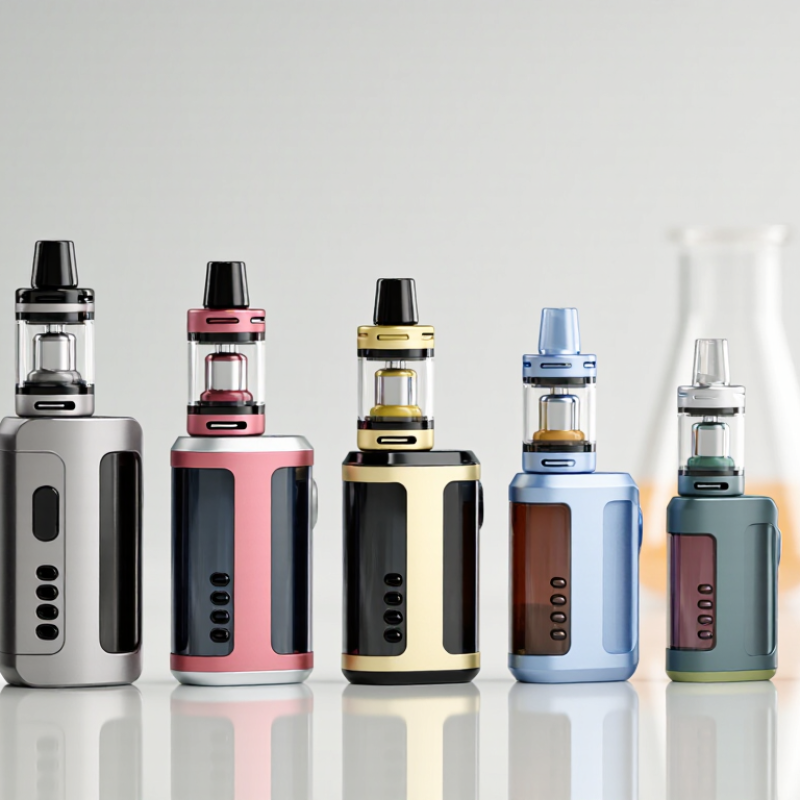
Key Factors That Determine How Long a Disposable Vape Lasts
How to Choose Which Disposable Vape Lasts the Longest?
A disposable vape’s advertised puff count is only an estimate. Actual lifespan depends heavily on puff length, frequency, and airflow. A three-second puff uses less liquid than a seven-second puff. Frequent users may finish the same device much sooner than occasional users. Shorter, gentler puffs usually make the liquid and battery last longer. Still, real use rarely matches laboratory testing.
Battery capacity is another important factor. A larger battery may support more heating cycles, but it does not guarantee longer use. The device also needs enough e-liquid to match its battery capacity. Otherwise, the battery may remain active after the liquid runs low. That can create weak vapor and an unpleasant dry taste. Check both the listed puff range and battery specifications, when available.
Storage and device condition matter too. Extreme heat can affect battery performance and liquid consistency. Keep the device dry, shaded, and away from direct sunlight. Airflow design also changes consumption; a very open draw may produce larger amounts each time. I once assumed the highest puff number was the best value, but that comparison ignored personal habits. The estimate is never exact. Choose a device that matches your normal usage, and follow local age, safety, and disposal requirements.
Comparing E-Liquid Capacity, Puff Counts, and Battery Size
When comparing disposable vapes, check e-liquid capacity before trusting the printed puff count. More liquid usually supports more draws, but the result depends on draw length, airflow, and coil temperature. A three-second inhale uses less liquid than a long, forceful pull. Puff numbers are estimates, not guarantees.
Battery size matters just as much. A large battery can support a higher liquid capacity, but it may also make the device heavier. Some models stop working when the battery is empty, even when liquid remains. That feels wasteful. Others may show fading vapor, a weaker throat sensation, or a blinking light near the end. These signs can help you judge real-world performance.
I compare capacity, stated puffs, and battery capacity together. A simple ratio, such as estimated puffs divided by millilitres, can reveal unusually optimistic claims. Still, it is not a laboratory result. I once focused too heavily on puff count and ignored my short, frequent draws. My actual use differed noticeably. Check the testing conditions, airflow design, and storage guidance provided by the manufacturer. Heat, cold, and prolonged storage can affect battery performance. Choose products sold through lawful, age-restricted channels, and follow the instructions carefully.
Matching Vape Specifications to Your Personal Usage Habits
A disposable vape’s lifespan depends less on its advertised puff count than on your daily routine. A short, gentle draw usually consumes less liquid than a long, frequent inhale. Someone who vapes occasionally may use one device for several days, while a heavy user may finish it much sooner. Your preferred strength also matters. Higher nicotine concentration may reduce how often you reach for the device, but personal responses vary.
Check the specifications before buying. E-liquid capacity suggests potential duration, while battery capacity indicates whether the device can power the remaining liquid. These figures are estimates, not guarantees. A loose airflow setting can produce larger clouds and use liquid faster. Cold storage may also affect battery performance. Keep the device dry and at room temperature. From practical use, tracking your evening liquid level for three days gives a better estimate than relying on packaging alone.
Tips: Match capacity to your real schedule, not an idealized one. If you take ten short sessions daily, choose differently from someone taking forty. Avoid repeated testing puffs, which quietly reduce battery life. Stop using the device if it tastes burnt, leaks, becomes unusually hot, or behaves inconsistently. This method is imperfect, but it is more honest. Follow local age restrictions and safety rules, and never leave a disposable vape in a hot car.
How to Choose Which Disposable Vape Lasts the Longest? - Matching Vape Specifications to Your Personal Usage Habits
| Usage Profile |
Estimated Puffs per Day |
Recommended Nominal Puff Range |
Typical E-Liquid Capacity |
Approximate Usage Duration |
Specifications to Prioritize |
Occasional user
A few short sessions per week |
Up to 30 |
300–800 puffs |
1–2 mL |
About 2–4 weeks |
Compact size, moderate nicotine strength, leak-resistant design, and a clear or easy-to-monitor liquid level |
Light daily user
Regular but limited use |
30–80 |
800–2,500 puffs |
2–6 mL |
About 2–5 weeks |
A balanced puff rating, sufficient e-liquid capacity, and a battery rated to support the full liquid supply |
Moderate daily user
Several short sessions each day |
80–150 |
2,500–5,000 puffs |
6–13 mL |
About 2–6 weeks |
Higher liquid capacity, a larger battery, consistent airflow, and a puff counter or battery indicator where available |
Heavy daily user
Frequent use throughout the day |
150–250 |
5,000–10,000 puffs |
13–20 mL |
About 3–8 weeks |
Large liquid capacity, high battery capacity, efficient mesh coil, and protection against overheating or low voltage |
Very frequent user
Repeated use with long sessions |
More than 250 |
10,000+ puffs |
20 mL or more |
About 3–6 weeks |
The largest legally available capacity in the relevant market, reliable battery-to-liquid matching, and clear safety certifications |
How to read the estimates: A practical planning formula is
estimated days of use = advertised puff count ÷ personal puffs per day.
Actual lifespan may be shorter because puff ratings are measured under standardized conditions. Longer or deeper draws, frequent chain vaping, higher power output, airflow settings, coil design, and storage conditions can all reduce the real-world duration.
Specification checklist: Compare e-liquid volume and battery capacity—not only the advertised puff count. Check the nicotine concentration, local legal limits, manufacturer safety information, and disposal requirements before purchasing. Nicotine is addictive; these products are intended only for adults who already use nicotine.
Checking Product Quality, Storage Conditions, and Shelf Life
How to Choose Which Disposable Vape Lasts the Longest?
A longer-lasting disposable vape is not chosen by puff claims alone. Product quality, storage, and shelf life matter more. The National Academies reviewed over 800 studies and found that device design, liquid composition, and user behavior can change performance. WHO technical guidance also links device conditions with aerosol consistency. Look for sealed packaging, a visible batch code, an expiry date, and a clear liquid without leakage. Avoid damaged, swollen, or unusually hot devices.
Storage matters more. Keep the device in a cool, dry place, ideally around 15–25°C. Direct sunlight, humid bathrooms, and a parked car can accelerate battery and liquid deterioration. Do not store it loose with keys or coins. Use the printed expiry date as the main reference. If no date appears, its remaining shelf life is uncertain. I would not rely on appearance alone; a device can look normal while performing poorly.
Tips: Check the date before purchase. Choose intact packaging. Keep one spare, not a box of old units. Stop using any device with a burnt taste, leakage, unusual heat, or inconsistent activation. Follow local disposal rules for lithium-battery products. Storage advice is easy to overlook, and that is where many “long-lasting” claims become less convincing.
Evaluating Cost, Reliability, and Practical Value Before Buying
How to Choose Which Disposable Vape Lasts the Longest?
A longer-lasting disposable vape is not always the cheapest choice. Compare the advertised puff count with the price per unit. Puff estimates can vary with draw length, frequency, and airflow. A device rated for many puffs may perform poorly if its battery fades early. Check the battery capacity, liquid volume, and manufacturing date when these details are available. I have found that consistent airflow matters more than impressive numbers. A weak draw can leave unused liquid behind.
Tips: Buy only from legal, authorized sellers. Check the seal, batch information, and return policy. Avoid damaged packaging, leaking devices, or unclear ingredient labels. Store the device away from heat and children. Local age limits and disposal rules may apply.
Reliability also affects practical value. Look for clear safety information, stable construction, and a mouthpiece that does not loosen. Reviews are useful, but read repeated complaints instead of trusting one glowing comment. Some devices last longer because they are used lightly, not because they are better made. That distinction is easy to miss. If nicotine is present, follow local regulations and avoid use if you are under the legal age. Recycling options may be limited, so check local electronic-waste guidance before disposal.
How to Choose Which Disposable Vape Lasts the Longest?
Comparing representative non-branded capacity categories by claimed puff count, estimated usage time, and purchase-price efficiency.
How to read this chart: Larger devices generally provide more claimed puffs and a lower estimated cost per 1,000 puffs, but puff counts are manufacturer estimates rather than standardized test results. Estimated usage assumes approximately 300 puffs per day. Reliability cannot be judged from capacity alone; check independent reviews for leakage, charging, airflow, and early-failure reports before buying.
Prices are representative non-branded retail estimates. Actual results vary by device design, puff duration, battery performance, and local market conditions.
Conclusion
Choosing which disposable vape lasts the longest depends on more than the puff count printed on the package. The main factors include e-liquid capacity, battery size, device efficiency, airflow design, and how frequently and deeply you vape. A higher puff estimate may suggest longer use, but real-world performance can vary. It is important to compare e-liquid volume, battery capacity, and stated puff counts together rather than relying on one specification alone. Matching these details to your personal usage habits can help you select a suitable option without paying for unnecessary capacity.
Product quality, storage conditions, and shelf life also affect reliability and longevity. Devices kept away from excessive heat, moisture, and direct sunlight are more likely to perform consistently. Before buying, consider the balance between price, expected usage time, consistent performance, and overall practical value. A dependable product with clear specifications may be a better choice than the cheapest option or one with the highest advertised puff count. Always follow applicable regulations and safety instructions.

 Velour Vape