Understanding what is inside a disposable vape is crucial for users and manufacturers alike. Dr. Emily Carter, a leading expert in vaping technology, states, “The components of a disposable vape directly influence its performance and safety.” This quote underscores the importance of transparency in vape products.
Disposable vapes are often compact and easy to use, but their construction is a blend of complex elements. Inside these devices, you will find a battery, a heating element, and a liquid reservoir. Each part plays a role in delivering the vaping experience. However, the exact materials and quality can vary widely among brands. Many consumers remain unaware of the differences, leading to questions about safety and quality.
As the market evolves, so do the concerns regarding the components within disposable vapes. Some users may overlook what is inside a disposable vape, focusing instead on flavor and convenience. Ignorance, however, can lead to potential risks. It is essential to be informed about the risks involved in the components used to enhance your vaping experience. This knowledge is power in the pursuit of safe consumption practices.
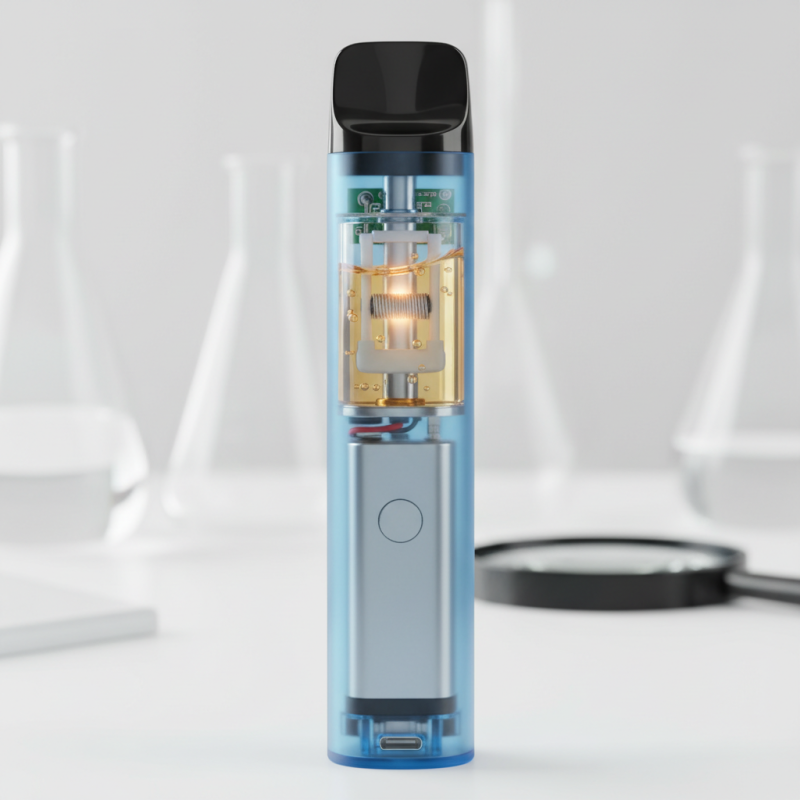
A disposable vape device consists of several key components that work together to provide a seamless vaping experience. The primary components include the battery, the heating element, and the e-liquid chamber.
The battery is usually a small, rechargeable lithium-ion cell. It drives the device and provides power to the heating element. The heating element, often called the coil, converts electricity into heat. This heat vaporizes the e-liquid inside the chamber. E-liquids typically contain a blend of propylene glycol, vegetable glycerin, flavors, and nicotine.
Tips for users considering vaping include understanding the battery life. Always check if the device has a charge indicator. A short battery life can lead to inconvenient interruptions. Be mindful of the e-liquid level too. Running low can affect taste and vapor production.
It's important to note that these devices are often designed for single use. This can lead to waste when users discard them without recycling. Reflecting on environmental impact is crucial. Responsible disposal or recycling can mitigate some negative effects associated with disposable vapes.
E-liquids are the backbone of disposable vape devices. Understanding their formulation is crucial for grasping how these devices work. Typically, e-liquids consist of a base, flavorings, and nicotine. The base usually comprises propylene glycol and vegetable glycerin. These components create the vapor you inhale when using a disposable vape.
Creating flavorful e-liquids is an intricate process. Food-grade flavorings are blended to produce diverse tastes. Some users prefer fruity flavors, while others opt for menthol or dessert options. The challenge lies in achieving balance. Overpowering flavors can lead to an unenjoyable experience, while weak ones may fail to satisfy. Additionally, the nicotine concentration impacts throat hit and overall experience, making precision in formulation essential.
Despite the advances in e-liquid formulation, there are still aspects needing improvement. Quality control can vary among manufacturers. Some users encounter inconsistencies in flavor and vapor production. This can lead to frustration. Transparency in ingredient sourcing remains vital for building trust. The industry must continually strive for better standards and practices to ensure quality and reliability in disposable vapes.
The battery is a crucial component of disposable vape devices. It provides the necessary power to heat the e-liquid and produce vapor. Most disposable vapes contain lithium-ion batteries because they are compact yet powerful. These batteries generally have a limited lifespan, lasting until the e-liquid is depleted.
While these batteries are efficient, they may not always function perfectly. Some users report battery malfunctions or inconsistent heating. This can lead to frustrating experiences. It's essential for users to be aware of these potential issues and handle their devices with care.
Tips: Always check the battery level before use. Take gentle puffs to maximize battery efficiency. Properly dispose of the device when the battery drains to avoid environmental harm. Understanding the role and limitations of the battery can lead to a better vaping experience.
The heating element is a crucial part of a disposable vape device. It is usually made of metal and acts as the core component responsible for vaporizing the e-liquid. When the user inhales, a battery powers the heating element. It heats up quickly, causing the liquid to turn into vapor. This process is essential for delivering the flavor and nicotine, making the experience enjoyable.
Different materials can be used for the heating element. Some provide a faster heating time, while others may offer a more even temperature. However, not all materials are equally effective. Some may lead to a burnt taste or uneven vapor production. A reliable heating element should maintain a consistent temperature to enhance flavor without compromising the quality of the vapor.
Understanding the heating element also involves recognizing its lifespan. With use, the heating element can degrade. This degradation might result in reduced vapor quality or even a burnt flavor. Users must be aware of these potential issues to ensure a satisfying experience. Knowing the intricacies of the heating element can lead to more informed choices about disposable vape devices.
| Component | Description | Function |
|---|---|---|
| Heating Element | A coil, often made of metal, that heats up to vaporize the liquid. | Vaporizes the e-liquid to create inhalable vapor. |
| E-Liquid | A mixture of propylene glycol, vegetable glycerin, flavoring, and nicotine. | Provides the flavor and nicotine for the user. |
| Atomizer | Contains the heating element and is responsible for creating vapor. | Transforms e-liquid into vapor using heat. |
| Battery | A rechargeable or disposable power source. | Provides the energy needed to heat the element. |
| Mouthpiece | The part where the user inhales the vapor. | Facilitates inhalation of vapor by the user. |
When exploring disposable vape products, safety should always be a top priority. These devices often contain battery components and e-liquid. Understanding their potential risks is essential. Batteries can overheat or leak if damaged. Users should handle their devices with care to avoid accidents.
Another concern is the e-liquid itself, which may contain nicotine and other chemicals. While vaping is often viewed as a safer alternative to smoking, it is not without its own hazards. Users should be aware of potential side effects, such as respiratory issues or irritation. Reading product information and labeling can help users make informed choices.
Proper storage is another critical aspect of safety. Keeping disposable vapes out of reach of children and pets is vital. Additionally, avoid exposing these devices to extreme temperatures. Awareness and precaution can prevent unpleasant surprises. Engage in responsible usage and remain conscious of the inherent risks involved.
: A disposable vape device mainly includes a battery, a heating element, and an e-liquid chamber.
The battery provides the power needed for the heating element, enabling vaporization of the e-liquid.
E-liquids typically contain propylene glycol, vegetable glycerin, flavors, and nicotine.
Users should check if the device has a charge indicator to avoid interruptions due to low battery.
A low e-liquid level can affect both taste and vapor production during use, which may lead to an unsatisfactory experience.
Disposable vapes contribute to waste. Responsible disposal or recycling can help mitigate negative environmental impacts.
Food-grade flavorings are blended in a careful process to achieve diverse and enjoyable tastes, balancing potency and subtlety.
Users may experience inconsistencies in flavor and vapor production due to varying quality control among manufacturers.
Nicotine concentration influences the throat hit and overall satisfaction for users, making precision crucial in e-liquid formulation.
There should be better quality control and transparency about ingredient sourcing for higher reliability and user trust.
This article explores what is inside a disposable vape, detailing its key components and their functions. Disposable vape devices typically consist of a battery, a heating element, and a pre-filled e-liquid reservoir. E-liquids used in these devices are carefully formulated to ensure a smooth vaping experience, often employing a mix of propylene glycol, vegetable glycerin, flavorings, and nicotine.
The battery plays a crucial role in powering the device, providing the necessary energy to heat the e-liquid and produce vapor. Understanding the heating element's function is essential, as it transforms the liquid into vapor for inhalation. Additionally, the article emphasizes safety considerations when using disposable vape products, highlighting the importance of proper usage and awareness of device limitations. Overall, this insight into disposable vapes unveils the fundamental aspects that contribute to their functionality and user experience.

Velour Vape