Can You Refill a Disposable Vape Without Damage?

Time:2026-05-09 Author:Amelia
0%

Are you wondering, "can you refill a disposable vape?" This question has intrigued many users. Disposable vapes are designed for single use. Yet, the idea of refilling them seems appealing to some. Users often seek ways to save money and reduce waste.

However, refilling a disposable vape can lead to potential risks. The construction of these devices is not meant for reuse. Introducing new liquids could damage the device. This might result in leaks, burnt flavors, or even failure to function. Knowledge about vape mechanics is essential in this discussion.

Some users report successful refills, but results vary. The quality of the e-liquid also matters. Not every liquid is suitable for every vape. It’s crucial to consider the materials in these devices. Users should approach this practice with caution and weigh the risks. Shall we continue to explore the intricacies of this topic?
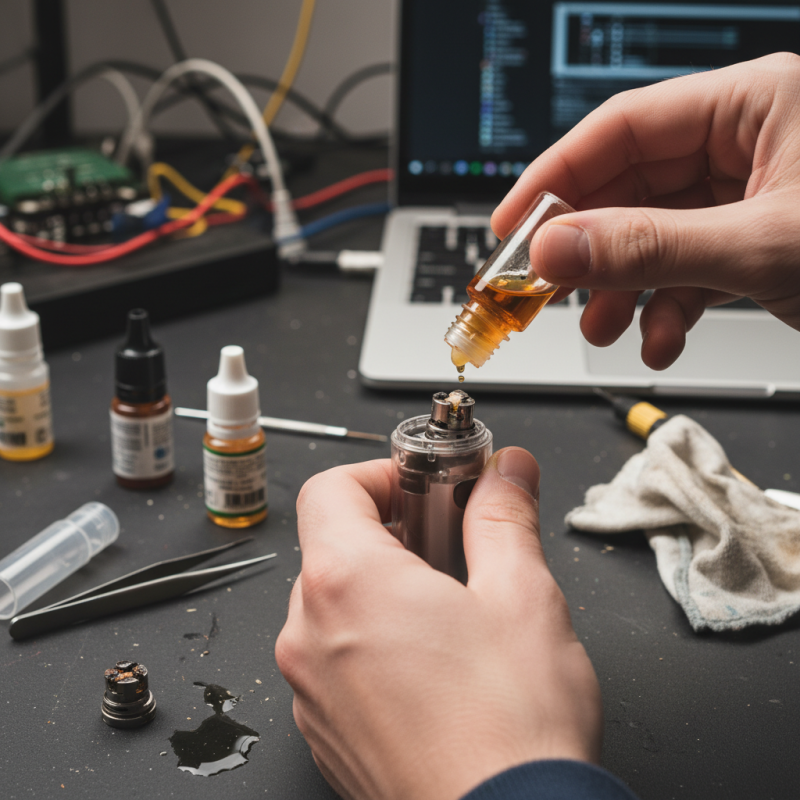
Can You Refill a Disposable Vape Without Damage?

Understanding Disposable Vapes: Mechanism and Design Limitations

Disposable vapes are becoming popular due to their convenience. However, understanding their mechanism is essential. These devices typically use a built-in battery to heat e-liquid. The liquid then turns into vapor. This design is straightforward but limits refill options. Most disposable vapes are sealed tightly. Refilling them often risks damaging the device.

Tips: If you decide to refill, work slowly. Use a small syringe to insert e-liquid. Avoid overfilling, as it can leak. This will help maintain the integrity of the vape.

The construction of disposable vapes also means they have a limited lifespan. Once the e-liquid is used up, they are designed to be discarded. Trying to reopen a sealed device can lead to failure in functionality. The materials used in disposable vapes are not meant for repeated use. This reality raises questions about sustainability in vaping practices.

Tips: Consider the environmental impact before refilling. It may be wiser to choose reusable options. Look for devices specifically designed for long-term use, which can provide better experience overall.

Can You Refill a Disposable Vape Without Damage?

Aspect Details
Design Typically non-refillable; built for single use.
Materials Plastic housing, integrated battery, wick and coil system.
Refilling Risks Possible damage to internal components, leakage, reduced functionality.
Possible Techniques Using syringes or small bottles; requires careful disassembly.
User Experience Refilled devices may not deliver the same satisfaction as original.
Environmental Impact Increased waste if refilled and disposed improperly; awareness needed.

The Risks of Refilling Disposable Vapes: An Overview of Potential Damage

Refilling a disposable vape might seem like a cost-saving idea, but it comes with significant risks. Disposable vapes are designed for one-time use, and modifying them can lead to issues. A recent industry report indicated that over 70% of users experienced device failures after attempting to refill their disposable vapes. These failures can stem from the degradation of the internal components, which are not built for repeated liquid exposure.

Additionally, the risk of leaking is substantial. Reports suggest that nearly 40% of refilled devices exhibit leakage. This can damage the vape’s circuitry and lead to unsafe operation. The e-liquid might also react with materials not intended for prolonged contact. When users take these risks, they endanger not only the device but also their health. Accidental ingestion of vape juice can occur, particularly if proper handling precautions are neglected.

Modifying a disposable vape affects its performance. Many users have noted a change in flavor and vapor production after refilling, often to the detriment of their experience. These observations highlight how tempting it may be to refill, but the potential for damage and safety issues accompanies that temptation. Making informed choices is essential for anyone considering alternatives to traditional disposable devices.

Risks of Refilling Disposable Vapes

Industry Insights: Common Types of Liquids for Refilling Vapes

When discussing the common types of liquids for refilling vapes, it is essential to understand their compositions. Most vape liquids consist of three primary components: vegetable glycerin (VG), propylene glycol (PG), and flavorings. VG is thick and produces dense vapor. PG is thinner and carries flavor well. Flavorings can vary widely, offering countless options for vapers.

Many users often experiment with DIY e-liquid blends. While this can be fun, it comes with risks. Inaccurate measurements may lead to unpleasant tasting liquids. Some users even encounter issues with device compatibility. It's crucial to research and follow reliable recipes if you choose to mix your liquids.

Another common type is nicotine salt liquids. These offer a smoother hit and higher nicotine levels. They are often preferred by those looking for a quick nicotine fix. However, beginners should be cautious with the strength. Overdoing it can lead to discomfort and an unpleasant experience. Each liquid type has its pros and cons, making careful selection vital for a satisfying vaping experience.

Legal and Safety Considerations When Refilling Disposable Vapes

Refilling a disposable vape raises various legal and safety concerns. It's essential to understand that altering these devices can void warranties and could be illegal in some areas. The chemicals used in e-liquids may also pose risks if not handled properly. Many users may not realize that incorrect refilling can lead to leakage or even device failure.

Safety is a major concern when considering a refill. Disposable vapes are designed for single use, and tampering with them can result in dangerous situations. The introduction of unfamiliar liquids can create harmful reactions. Users should be cautious about the ingredients in their e-liquids, ensuring they are from reliable sources and are compliant with local regulations.

Moreover, the refilling process itself can be tricky. Many people are not skilled in the mechanics of these devices. Mistakes can happen, leading to spills and contamination. It's critical to acknowledge that while it may seem cost-effective, the potential hazards often outweigh the benefits. A thoughtful approach is necessary when deciding whether to refill.

Best Practices for Refilling to Maximize Vape Performance and Safety

Refilling a disposable vape can extend its life and offer a personalized experience. However, it's crucial to do it safely. Start by ensuring your workspace is clean. Use proper tools to avoid spills. Filling too much can cause leaks. Aim for the right level to maintain performance.

Choose high-quality vape juice to enhance flavor. A mix that's too thick may clog the device. Experimenting with different ratios can lead to better results. But, not every refill will yield a perfect experience. Some users report inconsistent flavors after refilling. This variability often stems from residue buildup. Regular cleaning is essential for maintaining flavor integrity.

While saving money is appealing, refilling disposable vapes comes with risks. There’s a chance of damaging the device, leading to malfunctions. Moreover, the quality may not match the original. It's a balancing act between cost-efficiency and performance. Ensure you’re prepared for the learning curve in refilling techniques. Some trial and error will likely occur. Embrace the process to find what works best for you.

FAQS

: What are the main components of vape liquids?

: Vape liquids commonly consist of vegetable glycerin (VG), propylene glycol (PG), and various flavorings.

What does VG do in vape liquids?

VG is thick and produces dense vapor, enhancing the overall vaping experience.

How does PG affect vape liquids?

PG is thinner than VG and carries flavors well, making it essential for a rich taste.

What risks are associated with DIY e-liquid blends?

DIY blends can lead to unpleasant tastes and compatibility issues if measurements are inaccurate.

What are nicotine salt liquids?

Nicotine salt liquids provide a smoother hit and higher nicotine levels, popular for quick nicotine fixes.

What should beginners consider before using nicotine salts?

Beginners should be cautious with nicotine strength to avoid discomfort and negative experiences.

How can I refill a disposable vape safely?

Use a clean workspace and proper tools to avoid spills and leaks during the refilling process.

Why is regular cleaning important when refilling?

Regular cleaning helps maintain flavor integrity and prevents residue buildup that can affect taste.

What are the risks of refilling disposable vapes?

Refilling may damage the device and the juice quality may not match the original, affecting performance.

Is it normal to experience inconsistencies after refilling?

Yes, some users report inconsistent flavors after refilling due to residue or improper mixing ratios.

Conclusion

The article titled "Can You Refill a Disposable Vape Without Damage?" delves into the intricacies of disposable vapes, examining how their mechanisms and design limitations influence refilling practices. While some users may consider refilling their devices, the article highlights the potential risks involved, such as device damage and compromised performance, which can occur due to inappropriate refilling techniques.

Furthermore, it provides insights on commonly used liquids for refilling and underscores key legal and safety considerations that should be addressed before attempting to refill a disposable vape. To maximize both performance and safety, the article wraps up with best practices for refilling, ensuring that users can make informed decisions while considering the question: can you refill a disposable vape?

Amelia

Amelia

Amelia is a seasoned marketing professional with a wealth of expertise in our company’s core offerings. With an unwavering passion for driving growth and innovation, she plays a pivotal role in shaping our marketing strategies and enhancing brand visibility. A key aspect of her responsibilities......