If you’ve ever asked yourself, "why is my disposable vape leaking," you're not alone. Many users encounter this frustrating issue. A leaking vape can create a messy situation and waste precious e-liquid. Understanding the common causes behind this problem is essential for maximizing your vaping experience.
Disposable vapes can leak for several reasons. For instance, temperature changes can affect the internal pressure, leading to leaks. Poor manufacturing quality might also play a significant role. Moreover, overfilling your vape or using it aggressively can cause unsightly leaks. When a user notices their vape leaking, it’s critical to reflect on their usage habits and device handling.
Addressing leakage issues often requires a mix of experience and knowledge. Recognizing the signs of a potential leak can help prevent larger problems down the line. It’s essential to explore why these issues occur and what can be done to minimize them in future use.
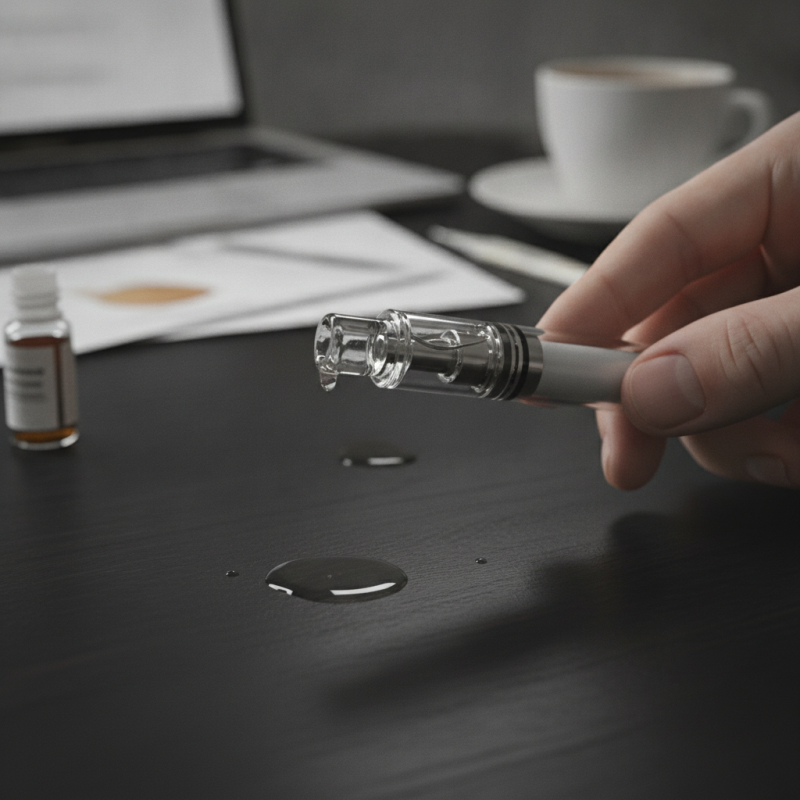
Leakage in disposable vapes can be frustrating for users. Understanding the common causes can help mitigate this issue. A study from the Journal of Tobacco Control revealed that nearly 30% of vape users experience leakage. Factors like poor manufacturing quality play a significant role. Lower-end products often lack the precision needed for proper seals.
Another common cause is condensation. When the device heats up, vapor condenses and can lead to leaks. According to research by the National Institute on Drug Abuse, improper usage can aggravate this. Be cautious when you take long draws. This may increase the likelihood of condensation build-up.
To prevent leaking, store your device upright, especially during transport. Avoid exposing it to extreme temperatures as this can compromise seals. If you notice leakage, check for cracks or damage. It may be worth switching up vaping techniques. Shorter, slower draws often reduce condensation. Monitoring device conditions goes a long way in maintaining performance.
Temperature plays a crucial role in vape performance. When the temperature rises, e-liquid can expand, leading to leaks. This is especially true when vapes are stored in hot environments, like a car under the sun. Hot temperatures may thin out the liquid, causing it to seep from seals or joints.
Conversely, colder temperatures can thicken e-liquid, impacting vapor production. A cold vape may not heat the liquid effectively. This can result in poor flavor and increased chances of clogging. Users may notice that the vape struggles to produce vapor in colder conditions.
Understanding these temperature impacts can help users minimize leakage issues. Regularly checking the device for cracks or loose parts is essential. Proper storage can prevent environmental factors from affecting your vape's performance. Each vape is unique, and what works for one may not work for another. Experimentation and observation are key strategies for finding the right balance.
Disposable vapes have gained popularity due to their convenience. However, many users encounter issues like leaking. Inspecting the device’s integrity is crucial. Look for cracks or damage on the body. A report from the International Journal of Vaping Research suggests that 48% of product malfunctions stem from physical damage.
Check the seals and connections. Many disposable vapes rely on airtight seals to prevent leaks. If these seals are compromised, e-liquid can escape. A study by the Vaping Industry Association indicated that improper handling accounts for 35% of leaking devices. Users often underestimate the importance of careful handling.
Battery corrosion can also lead to leaks. Moisture can seep in, especially if the device is stored improperly. The National Association of Vaping Professionals notes that 25% of leaks are linked to battery issues. Users should store their devices in a dry environment. Reflecting on your usage habits can help minimize these problems. Taking time to inspect your device might prevent future frustration.
| Reason for Leakage | Description | Preventive Measures |
|---|---|---|
| Damaged Seal | Worn or broken seals can allow e-liquid to escape. | Inspect and replace seals if necessary. |
| Overfilled Tank | Too much e-liquid can lead to leaking. | Avoid overfilling during refills. |
| Temperature Changes | High or low temperatures can affect e-liquid viscosity. | Store in a stable, moderate temperature environment. |
| Cracked Tank | Physical damage may cause fluid to leak out. | Replace damaged tanks immediately. |
| Improper Assembly | Misalignment can lead to gaps for e-liquid to escape. | Double-check assembly after refilling. |
| Defective Product | Manufacturing defects may lead to leakage. | Contact the manufacturer for support. |
| Old or Expired Vape | E-liquids can degrade over time, causing leaks. | Check expiration dates and replace old devices. |
| Excessive Use | Increasing pull frequency can cause overheating and leakage. | Use the device at a moderate pace. |
| Incorrect E-Liquid Viscosity | Thinner liquids can flow more easily and may lead to leaks. | Choose e-liquids with suitable viscosity for your device. |
| Airflow Issues | Too much airflow can lead to spitback and leaking. | Adjust airflow settings appropriately. |
Proper usage techniques can significantly reduce the chance of leakage in disposable vapes. First, always ensure your vape is upright when not in use. Storing it horizontally can lead to e-liquid pooling, which may increase the risk of leakage. A careful grip is crucial; a loose hold can disrupt airflow and cause internal pressure buildup, resulting in leaks.
Next, pay attention to the vape’s draw technique. Avoid taking overly hard puffs, as this can create excessive pressure inside the device. Gentle, steady inhales allow the device to function smoothly. Additionally, watch for temperature changes; storing your vape in hot places can expand the e-liquid, causing leaks.
Lastly, regular inspections are key. Examine the device for any sign of wear or damage. A compromised seal can lead to leaks. While it can be tempting to ignore small issues, these can escalate quickly. Staying vigilant about your vape’s condition can save you from messy situations.
Disposable vapes can leak for various reasons. Understanding how to maintain your device can drastically reduce the risk of leaks. Here are a few practical tips to help you keep your vape in top condition.
Always store your vape upright. This simple act can prevent excess e-liquid from seeping into the mouthpiece or airflow holes. Positioning matters. Additionally, be mindful of temperature changes. Extreme heat can thin the e-liquid, making it more likely to leak. Avoid leaving your vape in direct sunlight or hot places.
Regularly check the seals. A loose or damaged seal can cause leaks. If you notice any wear, replace parts as needed. Clean the connections to maintain good contact. Use a gentle cloth to wipe away residue. This helps keep your device functional. Remember, a little attention to detail can save you from messy leaks and dull flavors.
: High temperatures can expand e-liquid, leading to leaks. Cold temperatures may thicken it, impacting vapor production.
E-liquid can thin out, causing it to seep from seals or joints. This often occurs in cars left under the sun.
A cold vape may not heat the liquid effectively. Ensure your device warms up before use to improve performance.
Regularly check for cracks and loose parts. Proper storage helps prevent environmental factors from affecting your vape.
Storing it upright prevents excess e-liquid from leaking into the mouthpiece or airflow holes. Position matters for performance.
Regularly check seals and replace any worn parts. Cleaning connections helps maintain good contact and functionality.
A gentle cloth works best for wiping away residue. Avoid rough materials that could damage the device.
It's best to avoid extreme heat. High temperatures can cause problems, including thinner e-liquid and potential leaks.
Regular checks are important. Keeping an eye on your device can prevent leaks and ensure consistent performance.
Yes, leaks can happen due to various reasons. Understanding your device is crucial for minimizing these incidents.
In addressing the common question of "why is my disposable vape leaking," it is essential to understand several key factors. Leaks can often be attributed to common causes such as overfilling the tank, damaged seals, or poor manufacturing quality. Additionally, temperature plays a significant role in vape performance; extreme heat or cold can affect liquid viscosity and lead to leaks.
Inspecting the device's integrity is crucial—users should look for any visible cracks or weakened parts that could allow e-liquid to escape. Proper usage techniques, such as not shaking the device and carefully following the fill recommendations, can help minimize leakage. Lastly, regular maintenance practices, such as cleaning the mouthpiece and ensuring proper storage conditions, can further prevent leaks and enhance the overall vaping experience. By considering these aspects, users can significantly reduce the likelihood of encountering issues with their disposable vapes.

Velour Vape