What Makes a Disposable Vape High Quality in 2026?

Time:2026-10-29 Author:Sienna
0%

What makes a disposable vape high quality is not a flashy finish or a bold flavor name. It is the less visible work: consistent manufacturing, clear ingredient information, reliable device performance, and practical safety controls. A well-made unit should feel solid in the hand, produce steady output, and avoid leaking during ordinary use. Small details matter. A loose mouthpiece or uneven draw can signal poor quality, though appearance alone proves little.

Dr. Konstantinos Farsalinos, a physician and e-cigarette researcher, has cautioned: “E-cigarettes are not harmless, but they are less harmful than smoking.” That distinction matters. Quality should never be confused with safety, and no disposable device should be described as risk-free. Buyers should check transparent labeling, traceable manufacturer information, battery protection, and compliance with the rules where they live. For adults who already use these products, such checks offer a more grounded way to compare options than packaging claims do.

There is no perfect device. Even a carefully made product can disappoint, and published specifications may not reveal how it performs over time. This guide looks at measurable signals, including build consistency, ingredient disclosure, and responsible quality testing. It also considers what shoppers cannot easily verify. A little skepticism is useful. The aim is not to endorse a product, but to explain what makes a disposable vape high quality while keeping health limits and uncertainty in view.
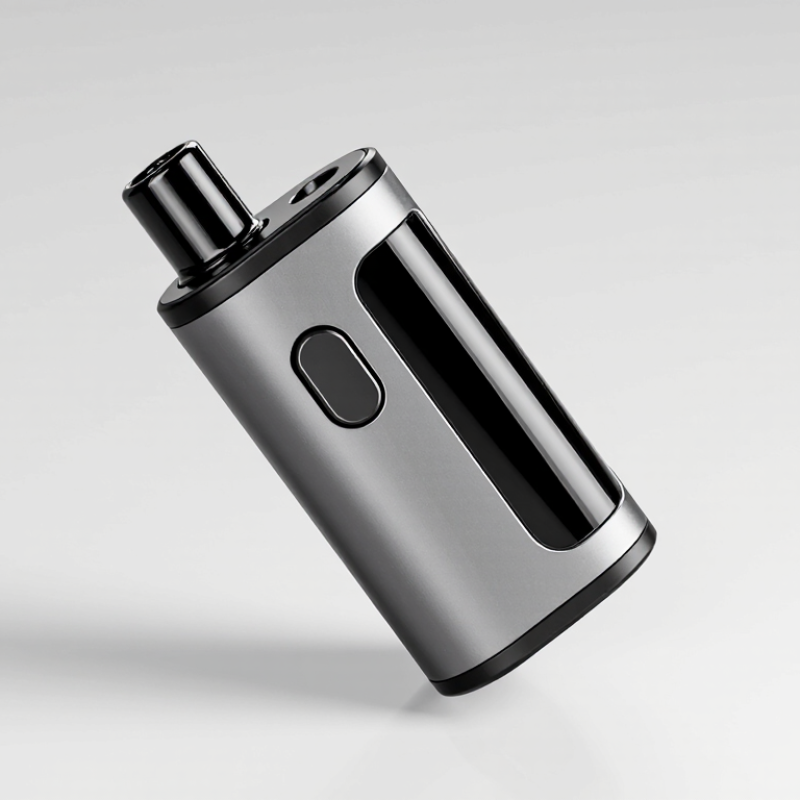
What Makes a Disposable Vape High Quality in 2026?

Defining Quality in a Disposable Vape

What Makes a Disposable Vape High Quality in 2026?

Defining Quality in a Disposable Vape

Quality is more than flavor or a sleek shell. It means predictable performance, clear labeling, secure construction, and documented checks. A well-made device should deliver consistent airflow without leaking or overheating. Its battery and charging protections should be tested against recognized electrical-safety requirements, such as UL 8139. No device is risk-free.

The CDC’s 2024 National Youth Tobacco Survey found that 55.6% of current youth e-cigarette users reported using disposable products. That figure describes use, not product quality or safety. It does show why careful standards matter. Look for readable ingredient and nicotine information, traceable batch details, and independent testing that explains what was tested. A vague “lab tested” claim is not enough; reports should identify methods and results. Even then, testing cannot guarantee every unit performs identically.

Tips: Check for cracks, loose seams, unusual heat, or liquid leakage. Stop using a damaged device. Compare the package with the manufacturer’s testing documentation, and treat missing details as a reason to pause. A smooth first puff can feel reassuring, but appearance and taste alone cannot verify quality.

Evaluating Materials, Design, and Manufacturing

A disposable vape’s quality is not measured by its casing or vapor output. It starts with controlled materials: secure seams, clean solder joints, a firmly fitted mouthpiece, and documented battery specifications. UL 8139 addresses electrical and battery-system safety for vaping devices. Any claimed certification should be independently verifiable, not just printed on the package. Small details matter.

FEMA’s 2017 technical review recorded 195 e-cigarette fire or explosion incidents and 133 acute injuries between 2009 and 2016. That history makes insulation, short-circuit protection, and consistent assembly meaningful design checks. But paperwork isn’t proof. Manufacturers should test for leaks, airflow variation, and electrical consistency, while keeping traceable inspection records for each production batch.

WHO’s 2023 report on e-cigarettes warns that aerosols can contain toxic substances, including metals. Better manufacturing controls cannot make inhalation risk-free. For a 2026 evaluation, look for specific test methods, independent laboratory results, and clear battery-disposal instructions. A polished finish is easy to copy; documented quality controls are harder.

What Makes a Disposable Vape High Quality in 2026? — Evaluating Materials, Design, and Manufacturing

A practical evaluation framework for comparing product quality. Requirements vary by market; verify applicable laws and independent test documentation rather than relying on appearance or marketing claims.

Evaluation Dimension What to Check Indicators of Higher Quality Useful Evidence or Test
Materials and construction Housing, mouthpiece, seals, electrical contacts, and materials that may contact the e-liquid. Parts fit securely; surfaces are free of cracks, sharp edges, residue, and strong unexplained odors. Materials are documented for their intended use. Material specifications, supplier records, and checks for fit, finish, and leakage.
Battery safety Cell condition, electrical connections, charging design if present, and protection against foreseeable faults. The battery is securely contained, with no swelling, exposed conductors, overheating, or signs of damage. Product instructions clearly explain safe use and disposal. Battery documentation and applicable safety-test reports. UN 38.3 documentation relates to lithium-battery transport testing; it is not, by itself, proof of overall product quality.
E-liquid integrity Ingredient identity, formulation controls, fill consistency, and protection from contamination. Ingredients and nicotine content are clearly declared where required, and production controls help prevent mix-ups, contamination, and inconsistent fills. Batch records, ingredient specifications, and suitable laboratory testing. Nicotine limits and disclosure rules depend on the market.
Leak resistance Seals, joints, reservoir closure, and performance during storage and normal handling. No visible seepage or residue under the manufacturer’s defined storage and handling conditions; seals remain intact. Documented leak checks using defined test conditions and recorded acceptance criteria.
Airflow and device consistency Air path, activation behavior, draw consistency, and variation between units. Devices operate consistently within stated specifications, without unintended activation or obvious blockage. Production sampling and functional tests against documented airflow and activation specifications.
Aerosol and emissions testing Whether emissions are evaluated using repeatable methods relevant to the product and market. Testing is performed by a competent laboratory, uses documented methods, and reports results transparently. No test result should be treated as proof that vaping is harmless. Full reports identifying the tested product or batch, method, test conditions, and measured substances.
Manufacturing quality control Incoming materials, assembly, batch identification, inspection, and handling of defects. Written procedures, traceable batches, defined inspection checks, and a process for investigating and correcting nonconformities. Quality-system records and audit evidence. ISO 9001 certification, where applicable, concerns a quality-management system and does not certify a product as safe.
Labeling and traceability Ingredient and nicotine disclosures, warnings, instructions, batch or lot code, and responsible contact information. Information is legible, consistent with the product, and compliant with the rules in the intended market; the unit can be linked to production records. Label review, batch-code verification, and checks against current local requirements.
Packaging and child safety Package integrity, required warnings, tamper evidence, and child-resistant features where mandated. Packaging is intact, instructions are clear, and any legally required child-resistant or tamper-evident features have supporting verification. Packaging inspection and test documentation appropriate to the jurisdiction.
End-of-life handling Disposal information for the battery and remaining e-liquid. Instructions explain that devices containing batteries should not be placed in ordinary household recycling unless local guidance specifically permits it. Clear disposal directions that refer users to local battery or electronic-waste collection options.

Assessing E-Liquid Ingredients and Product Transparency

What Makes a Disposable Vape High Quality in 2026?
Assessing E-Liquid Ingredients and Product Transparency

Assessing e-liquid quality starts with the label, not the flavor description. Look for a clear ingredient list that identifies the liquid’s components and states whether nicotine is present. Vague terms such as “premium blend” reveal little. Ingredient names and amounts, when provided, make comparisons more meaningful. Clear details matter. A tidy package is not proof of quality, and no label can confirm every claim on its own.

Transparency also means traceable product information. Check for a batch or lot number, a production date, storage guidance, and a way to contact the manufacturer. If testing documents are offered, see whether they identify the tested sample, date, and substances measured. A certificate without those details may be hard to interpret. Labels can still leave questions unanswered; that limitation deserves attention, not guesswork.

Tips: Read the full ingredient panel, including small print. Compare stated nicotine information with the packaging. Be cautious of unsupported “safe” or “clean” claims. Keep the package for reference, especially if details seem inconsistent. If the information is unclear, choose not to rely on assumptions.

Checking Performance, Reliability, and Safety Features

What Makes a Disposable Vape High Quality in 2026?
Checking Performance, Reliability, and Safety Features

A quality disposable vape should provide consistent airflow and output, without leaking, overheating, or producing a burnt taste. Check that the device feels firmly assembled and that its batch details and instructions are clear. Small defects matter. A loose mouthpiece or uneven draw can signal weak quality control, though appearance alone cannot prove safety.

CORESTA Recommended Method No. 81 uses a 55 mL puff lasting three seconds, every 30 seconds. This controlled method helps compare aerosol output; it does not represent every person’s use. UL 8139 is a safety standard for electrical systems in vaping devices. Verified testing against relevant standards can offer useful evidence, but no certification guarantees zero risk. Quality claims should be supported by accessible, independent test results, not vague words such as “premium.”

Tips: Check for clear batch information, intact seals, and independent test documentation. Stop using a device that becomes unusually hot, leaks, or behaves inconsistently. No test captures every real-world habit, and that limitation is easy to overlook.

What Makes a Disposable Vape High Quality in 2026?

A practical evaluation framework for performance, reliability, and safety.

Safety and regulatory compliance should carry the greatest weight, followed by reliability and consistent aerosol performance. The percentages are suggested rubric weights—not measured results or product ratings. Actual compliance and performance require independent testing and depend on applicable local regulations.

Reviewing Regulatory Compliance and Disposal Practices

A high-quality disposable vape should make compliance easy to verify, not hide it in vague claims. Look for readable ingredient and nicotine information, clear health warnings, and a batch or traceability code. These details help users and inspectors identify what the product contains and where it came from. Rules vary by location, so responsible manufacturers should follow current local requirements rather than rely on a single global checklist.

Packaging matters, too. Where required, child-resistant features and age-related notices should be clear and intact. Instructions should explain safe use and storage in plain language. Small details count. Paperwork can look convincing, but labels that are smudged, incomplete, or inconsistent deserve a second look. I would not treat a polished box as proof of quality.

Disposal is part of product quality, not an afterthought. A disposable vape usually contains a lithium battery and electronic components, so it should not go into ordinary household recycling or general waste unless local guidance specifically allows it. Check municipal waste instructions or an approved battery and electronics collection point. Do not crush, puncture, or dismantle the device; damaged batteries can create fire risks. Collection options can be inconvenient, and that is a real weakness in disposable design. Keep the device dry and away from children until it can be handed in.

FAQS

What should an ingredient label show?

It should list liquid components and state whether nicotine is present. Amounts help comparisons; vague “premium blend” wording tells little. Details matter.

How can I check product traceability?

Look for a batch code, production date, storage guidance, and contact details. Testing records should identify the sample, test date, and substances measured.

Does clear packaging prove quality?

No. A tidy box cannot verify every claim; check details against available independent test results. Some uncertainty remains.

What signs suggest poor performance?

Leaks, unusual heat, a burnt taste, uneven airflow, or a loose mouthpiece may indicate problems. Stop using a device that behaves inconsistently.

What can performance testing tell me?

One comparison method uses a 55 mL puff lasting three seconds, repeated every 30 seconds. Real-world use differs. Testing offers evidence, not a guarantee of zero risk.

Which packaging details deserve attention?

Check readable warnings, nicotine information, intact seals, and child-resistant features where local rules require them. Smudged or conflicting print deserves a second look.

How should a used device be discarded?

It usually contains a lithium battery and electronic parts. Follow local collection guidance; do not use household recycling unless local instructions allow it. Keep it dry, and do not crush or dismantle it.

What should I do if product information is unclear?

Do not fill gaps with guesses. Keep the package and use its contact details to ask questions. I might still miss a mismatch, so uncertainty matters.

Conclusion

What makes a disposable vape high quality is not simply its flavor or appearance, but the care taken across its entire lifecycle. Reliable materials, thoughtful design, and consistent manufacturing help create a product that performs as intended. Clear information about e-liquid ingredients and product specifications also matters, allowing users to understand what the device contains and how it is made.

A thorough quality assessment should consider steady performance, dependable operation, and practical safety features, alongside transparent quality controls. Regulatory compliance and responsible disposal are also important parts of the picture: products should meet applicable requirements, and users should follow local guidance for handling and discarding devices. Taken together, these factors provide a more complete way to evaluate quality than marketing claims alone.

Sienna

Sienna

Sienna is a skilled marketing professional with a deep expertise in our company’s core products and services. With a passion for innovation and detail, she plays a pivotal role in crafting insightful blog posts that not only highlight the unique features of our offerings but also provide valuable......