Why Does My Disposable Vape Die Early?

Time:2026-11-19 Author:Oliver
0%

I can write the introduction, but no source articles or expert quotation were included. To avoid inventing a quote or falsely attributing one, please provide the article or expert source you want me to use.
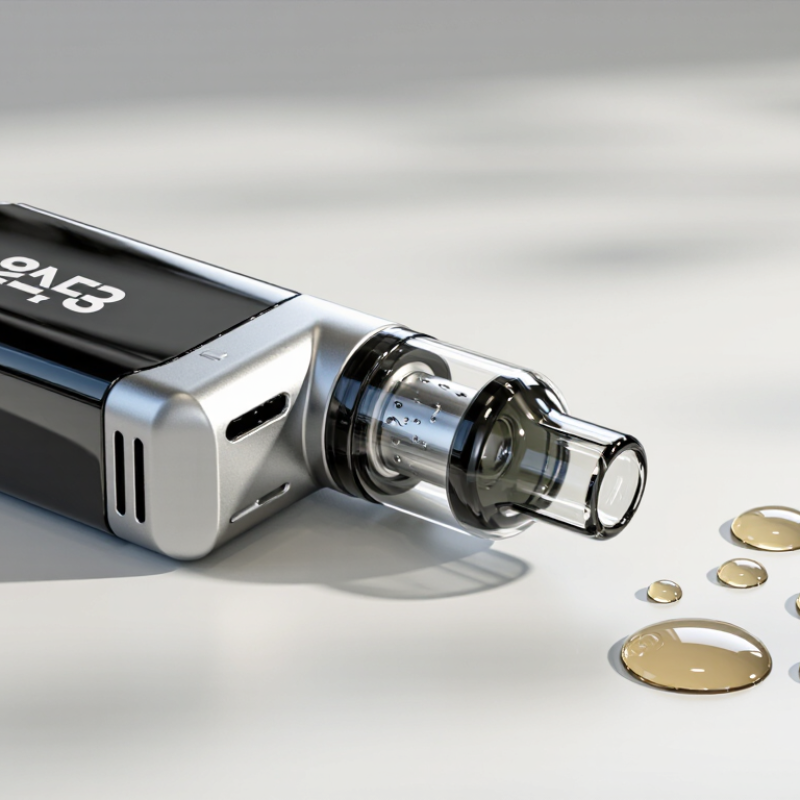
Why Does My Disposable Vape Die Early?

How Disposable Vapes Are Designed to Run Out

A disposable vape is built around two finite supplies: e-liquid and battery charge. The coil heats liquid drawn through a small wick; when liquid runs low, the wick may dry and the vapor can weaken or taste burnt. The battery can also lose usable voltage before every drop of liquid is vaporized. That mismatch can feel like an early failure. Puff counts are estimates, not guarantees: puff length, pauses, and airflow all affect consumption. The National Academies’ 2018 report on e-cigarettes notes that device design and user puffing patterns influence aerosol and nicotine delivery.

The sealed format also limits what can be checked or maintained. A device may stop because its battery protection circuit cuts power, even if some liquid remains. Material Focus estimated that about five million disposable vapes were discarded each week in the UK in 2023. That figure describes disposal, not how many devices failed early, but it shows how quickly these short-life products move through use and waste. The printed count can be misleading.

Tips: Take steady, moderate puffs and leave brief pauses between them. Store the device away from heat and cold. If vapor suddenly weakens, tastes burnt, or the device becomes unusually hot, stop using it. Small differences matter. A little more caution helps.

Common Reasons a Disposable Vape Stops Working Early

A disposable vape may stop working because its battery runs out before the liquid does. These parts do not always reach their limits at the same time. If the indicator light flashes or stays dark, the battery may be depleted. A weak draw alone does not prove that the device is empty.

Airflow can also become restricted by condensation or lint near the mouthpiece. A few drops may collect inside after repeated use. Keep the device upright and check the opening gently; do not insert sharp objects or take it apart. That can damage internal components. Cold temperatures may temporarily reduce battery performance, while excessive heat can make a device unsafe.

Sometimes the liquid has simply run out, even when the device still lights up. A burnt taste, little or no vapor, or a noticeably dry draw can be clues. Not certain, though. A faulty sensor or internal connection may cause similar symptoms, and there may be no safe user repair. If the device leaks, swells, becomes unusually hot, or looks damaged, stop using it. Follow local guidance for disposing of battery-powered electronics rather than putting it in household recycling.

Why Does My Disposable Vape Die Early? — Common Reasons a Disposable Vape Stops Working Early

Possible Reason What You May Notice Why It Can Happen Safe Next Step
Battery is depleted The indicator light does not turn on, or the device produces no vapor. The built-in battery has reached the end of its charge. Battery capacity and device design vary. Check the package or device instructions. Recharge only if the device is explicitly designed to be rechargeable; otherwise, do not attempt to charge it.
E-liquid has run out Vapor becomes weak or stops, and the taste may become unusually dry or burnt. The liquid supply can be used up before the battery is depleted, especially with frequent or long puffs. Stop using it if the vapor tastes burnt or dry. A sealed disposable device should not be opened or refilled.
Airflow is blocked Drawing feels unusually difficult, or the device activates inconsistently. Condensation, lint, or debris around an airflow opening can restrict the draw. Check for visible obstruction and gently wipe the exterior. Do not insert objects into the device or force air through it.
Activation sensor or internal connection issue The device lights up without producing vapor, or fails to respond to a normal draw. A draw-activated sensor or internal component may malfunction or become unreliable. Stop using it if the problem continues. Do not dismantle, bend, or attempt to repair the sealed device.
Overheating or very cold conditions Output may be weak or inconsistent after the device has been left in a hot or cold place. Extreme temperatures can affect battery performance and the flow of e-liquid. Keep it within the storage conditions stated in its instructions, away from direct sunlight and heat. Do not use it if it is hot, swollen, or damaged.
Device has reached its puff limit or designed capacity The device stops producing vapor even though it appears intact. Some devices include a usage limit, and advertised puff counts are estimates that depend on puff length and frequency. Check the product instructions. Do not try to bypass a cutoff or modify the device.
Manufacturing or shipping defect The device never worked properly, stops unusually soon, or has visible damage or leakage. A component may be faulty, or the device may have been damaged during storage or transport. Stop using it if it leaks or appears damaged. Follow local rules for battery-containing e-waste, and contact the seller if appropriate.

Safety note: Do not open, puncture, crush, or burn a disposable vape. Keep it away from children and pets, and dispose of it through an appropriate battery or electronic-waste collection point where available.

How to Tell Whether the Battery or E-Liquid Is Depleted

Why Does My Disposable Vape Die Early?
How to Tell Whether the Battery or E-Liquid Is Depleted

A disposable vape can stop producing vapor for two different reasons: its battery may be empty, or its e-liquid may be gone. The clues can overlap, so treat them as clues, not proof. If the light stays dark or flashes when you draw, and vapor has faded without a burnt taste, the battery may be depleted. A sudden stop after steady use can point that way too. Some devices have no indicator, though. That makes diagnosis less certain.

An empty liquid reservoir often gives a dry, scratchy, or burnt flavor, even while the indicator lights and the device still responds. Vapor may become thin, and the taste can turn papery. Stop using it when this happens; repeated draws can overheat the wick and make the taste harsher. If it feels unusually hot, leaks, or appears damaged, set it aside and follow local guidance for battery disposal. Don’t open it or charge it unless it is clearly designed for charging. Airflow blockage or a faulty sensor can mimic either problem, so sometimes the cause is hard to tell.

Why Does My Disposable Vape Die Early?

How to tell whether the battery or e-liquid may be depleted

Battery clues: no indicator light or no response when you inhale can point to a depleted battery. The chart shows general lithium-ion cell reference voltages; disposable devices may not display voltage, and their low-voltage cutoff varies. E-liquid clues: a burnt or unusually dry taste, or little visible liquid, can point to depleted e-liquid—especially if the device still lights up. These signs are not definitive. Don’t charge a disposable device unless it is specifically designed to be rechargeable.

How Usage and Storage Conditions Affect Vape Lifespan

Why Does My Disposable Vape Die Early?

How Usage and Storage Conditions Affect Vape Lifespan

A disposable vape’s advertised puff count is an estimate, not a guarantee. Long, frequent draws can use liquid faster and warm the coil, so the device may stop producing satisfying vapor sooner. Very short pauses between draws can also leave the coil little time to cool. Battery performance may vary with use and storage, too. Small details matter.

Tips: Keep the device in a cool, dry place, away from direct sun and hot cars. Avoid crushing it in a tight pocket. Follow the package instructions, and don’t open or try to repair it.

Cold conditions can temporarily affect battery output, while heat may damage the battery or alter the liquid. If vapor becomes weak, the taste changes, or the device stops working, usage alone may not explain it; manufacturing variation is possible. I wouldn’t assume every early failure means it was used incorrectly. If the device feels unusually hot, leaks, or looks damaged, stop using it and follow the maker’s disposal guidance.

When a Nonworking Disposable Vape Should Be Replaced

Why Does My Disposable Vape Die Early?

A disposable vape may stop working before its expected lifespan. A weak or absent draw can come from a blocked air inlet, depleted battery, or empty liquid reservoir. Check the device exterior and air openings for visible blockage, without inserting objects or taking it apart. If it still produces no vapor, repeated attempts are unlikely to fix an internal fault.

Tips: Replace the device if it leaks, becomes unusually hot, looks swollen, or has a cracked casing. Stop using it immediately if you notice any of these signs. Do not charge a model that is not designed to be rechargeable, and never puncture or open the casing.

A nonworking disposable should be replaced when basic, safe checks do not restore normal operation. Persistent blinking, a burnt taste, or no vapor despite an unobstructed inlet can indicate that the battery or liquid supply has reached its limit. It is tempting to keep trying, but that may not help—and damage can make the device less safe. Follow local guidance for disposing of devices with batteries; avoid putting them in household recycling unless accepted there.

FAQS

How can I tell if the battery is depleted?

A dark or flashing indicator and fading vapor may suggest a depleted battery. It is only a clue.

What does an empty liquid reservoir taste like?

The flavor may turn dry, scratchy, papery, or burnt. Stop using the device if that happens.

Can the device still light up when the liquid is gone?

Yes. The indicator may work while vapor becomes thin and the flavor grows harsh.

What if there is no indicator light?

Diagnosis becomes less certain. Airflow problems or a faulty sensor can look like a depleted battery or empty reservoir.

What safe checks can I make?

Look at the casing and air openings for visible blockage. Do not insert objects or take the device apart.

When should I stop using the device?

Stop if it leaks, gets unusually hot, looks swollen, or has a cracked casing. Don’t keep trying.

Should I charge a device that has stopped working?

Only if it is clearly designed to be rechargeable. Never open or puncture the casing.

How should I handle a device that no longer works?

Replace it if safe checks do not restore normal operation. Follow local battery-disposal guidance; household recycling may not accept it.

Conclusion

A disposable vape is designed to stop working once its e-liquid or battery is used up, but it may seem to die early when those two resources run out at different times. If you’re wondering “why does my disposable vape die early,” common explanations include frequent or long draws, a battery that was not fully charged where applicable, a leak, or exposure to heat, cold, or moisture. A blinking indicator or no response may suggest a depleted battery, while weak or dry-tasting vapor can point to low e-liquid; signs vary by device, so they are not always conclusive.

Usage and storage habits can affect how long a device lasts. Taking shorter, less frequent draws and keeping it in a cool, dry place may help avoid unnecessary strain, though they cannot extend its intended capacity. If the device has stopped producing vapor, appears damaged or leaking, or shows no response after following its instructions, replace it rather than opening, modifying, or forcing it to work.

Oliver

Oliver

Oliver is a seasoned marketing professional with a wealth of expertise in driving brand awareness and engagement. With a deep understanding of our company's product offerings, he consistently delivers high-quality content that enriches our professional blog. His insights not only shed light on......