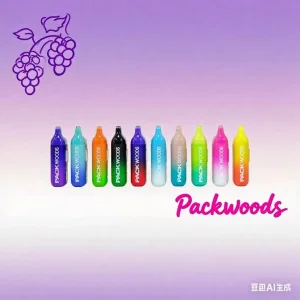
Engineered for consistent flavor profile, precision airflow regulation, and leak-proof functionality.
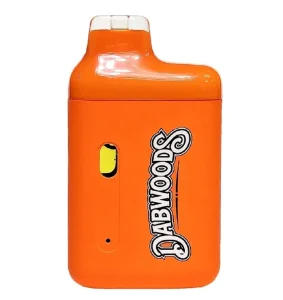
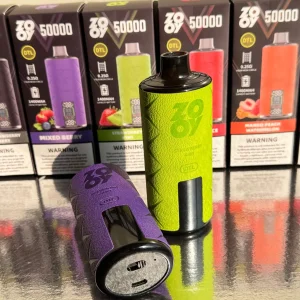
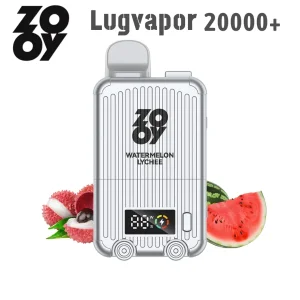
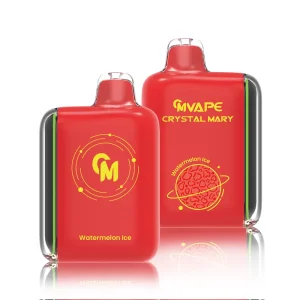
The global disposable e-cigarette industry has evolved from basic Nicotine Delivery Systems (NDS) to highly integrated smart consumer electronics. Today's global brands demand structural technology integrations, high-performance battery efficiency, and modular flexibility. This shift towards personalized brand identities and sophisticated device aesthetics represents the core vector of modern commercial vaping.
Major consumption zones like North America, Europe, and the Middle East are experiencing a transition from low-capacity puff configurations (e.g., 600–1500 puffs) to high-capacity options ranging from 10,000 to over 80,000 puffs. This transition is motivated by a desire to optimize raw material lifecycles, maximize consumer value, and leverage localized logistics hubs such as European Union and regional distribution warehouses.
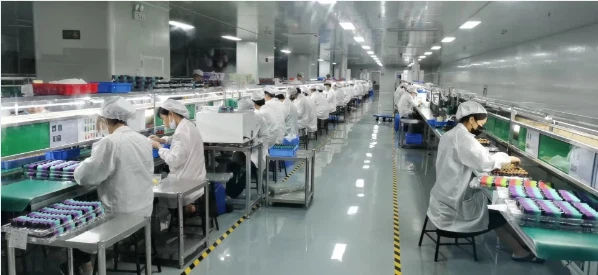
Shenzhen Velour Vape Co., Ltd. is a specialized China disposable vape supplier focusing on high-performance vaping systems. Our key core capabilities include custom branding, high capacity, and long battery life devices. The company integrates research and development, design, industrial manufacturing, and global supply chain logistics to deliver stable, market-ready products.
Velour Vape provides an array of disposable vaping options, including high-puff models, rechargeable designs, mesh-coil technology, and nicotine salt formulations. All devices are engineered to support consistent flavor profile delivery, optimized airflow velocity, and leak-resistant performance to align with the demands of international consumers. The company continues to prioritize product development through chip-based power regulation, improved battery efficiency, and contemporary physical designs.
As an OEM/ODM manufacturer, Shenzhen Velour Vape Co., Ltd. provides end-to-end customization services, including graphic logo application, packaging design, flavor formulation development, and device configuration. The manufacturing facility functions under strict quality control protocols to ensure alignment with international standards and certifications.
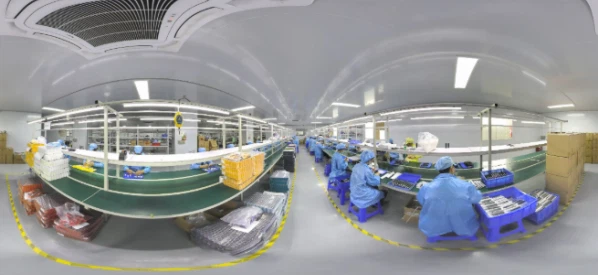
How the industrial clustering in Shenzhen, China enables agile R&D and rapid supply chain response times.
Over 90% of the world's vaping hardware is manufactured in Shenzhen. This localization places lithium battery cell production, microchip programming, chemical flavoring synthesis, and high-precision injection molding within a 30-mile radius, minimizing supply chain latency.
The time needed to transition from a conceptual design to a physical sample is reduced to 7-10 working days. This rapid prototyping allows brand owners to capture shifting consumer trends and capitalize on market opportunities ahead of competitors.
Modern production facilities utilize cleanrooms with advanced automated testing, including negative pressure leak chambers, battery capacity analyzers, and chromatography testing to verify consistency in aerosol profiles.
Developing reliable vaping systems requires addressing complex thermodynamic challenges. A key concern in disposable systems is mitigating the leakage of e-liquids and preventing dry-wicking combustion (dry hits). Shenzhen Velour Vape Co., Ltd. addresses this through multi-tiered engineering methods.
The choice between mesh coils and ceramic heating elements affects wicking velocity and flavor fidelity. Mesh coils are constructed from perforated metal sheets (typically FeCrAl or NiCr alloy), offering a larger surface-area-to-volume ratio than traditional wire coils. This allows for rapid thermal response and uniform heat distribution, which is suitable for standard freebase nicotine and high-viscosity nicotine salt formulations.
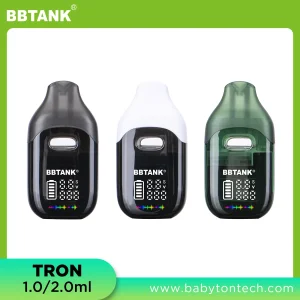
For high-viscosity concentrates, such as live rosin or botanical extracts, ceramic wicking structures are often preferred. Ceramic cores contain micro-porous channels that act as fluid delivery networks. By eliminating exposed wicks, these designs prevent direct fiber combustion, maintaining pure flavor profiles even under higher power outputs. Specialized devices like the BBTank Tron PRO Vape Disposable employ postless ceramic architectures to ensure constant heat contact without creating central airflow blocks.
"The interaction between wicking porosity and the viscosity of the oil determines the system's aerosol production efficiency. Using an incorrect pore size with highly viscous live rosin can cause oil pooling or thermal degradation."
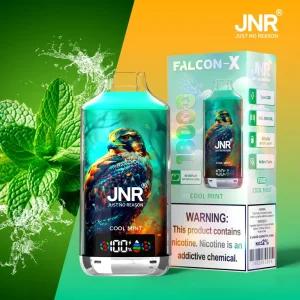
E-liquid leakage is a common point of failure for disposable devices, often caused by changing atmospheric pressure during shipping or air transport. To prevent this, current hardware uses structural isolating seals and condensed vapor traps. The expansion chambers in the Falcon X Disposable Vape capture condensed aerosol droplets, redirecting them back to the heated core rather than allowing them to pool in the airflow base.
Additionally, modern manufacturing uses medical-grade silicone seals with high elastic recovery. Automated assembly lines insert these gaskets with precise pressure configurations to prevent liquid migration through the connection threads.
For devices with capacities over 10,000 puffs, wicking configurations outlast traditional non-rechargeable battery capacities. Integrating rechargeable lithium-ion chemistries (such as LiCoO2) becomes necessary to maintain compact designs. Rechargeable disposables require integrated overcharge protection (OVP) and over-discharge protection (ODP) chips to manage safety during fast charging.
By using regulated voltage control chips, modern disposables provide a consistent voltage output (typically between 3.3V and 3.7V) even as the battery charge depletes, ensuring reliable aerosol density and flavor representation from the first puff to the last.
Global distributors often face long delivery times when shipping from factories in China. To address this, current supply chain models utilize regional warehouses in destinations like the European Union and North America. This setup allows bulk importers to bypass standard customs delays during busy seasons.
For example, stocking products in EU and German warehouses enables distributors to ship orders to major retailers within 1-3 business days. This quick delivery model reduces shipping delays and lowers inventory risk for regional businesses.
Additionally, local warehousing simplifies compliance with regional regulations, such as TPD notifications in Europe or PMTA tracking in the United States, providing a clear path for compliant product distribution.
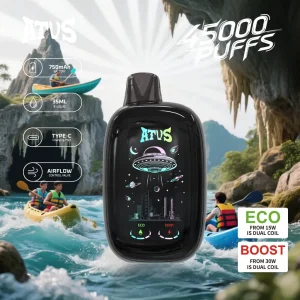
Featuring smart digital indicators, dual-flavor wicking systems, and adjustable airflow controls.
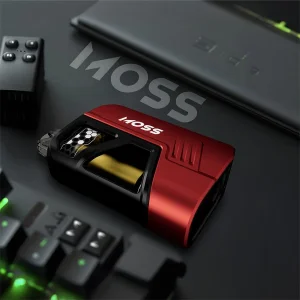
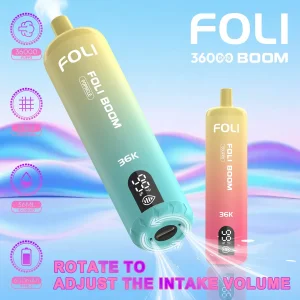
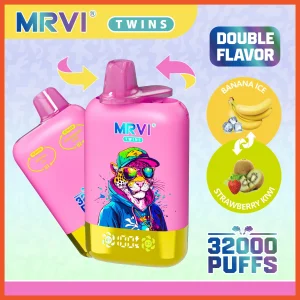
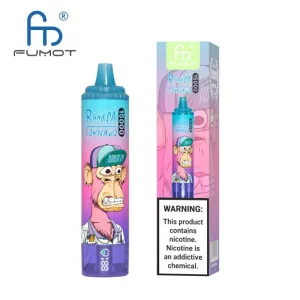
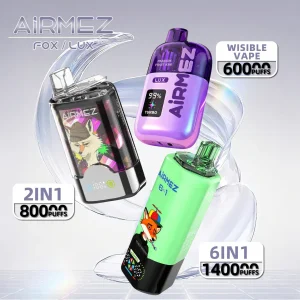

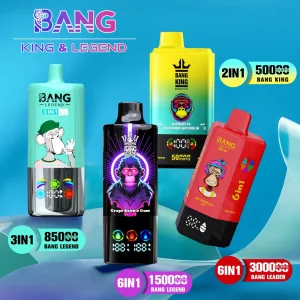
Key parameters international sourcing agents must verify before initiating mass production orders.
Products must meet regional standards, including CE, RoHS, TPD registration for the European market, and FDA testing pathways for North American distribution. Verify the manufacturer's testing documentation before placing orders.
Lithium-ion cells require UN38.3 certification for transport safety. Manufacturers should use rechargeable cells with stable battery chemistries to prevent capacity loss during warehousing.
Verify that PG/VG ratios are matched to the wicking properties of the mesh or ceramic coils. Heavy metal testing and emission reports are required for compliant distribution.
Detailed engineering, logistical, and commercial answers for professional bulk buyers.
MOQ limits depend on the level of customization. For basic custom branding (logo printing on existing models), the MOQ is typically 1,000 to 5,000 units per flavor. For full ODM projects requiring custom injection molds, structural modifications, or specialized chip configurations, the MOQ is generally 10,000 to 50,000 units, depending on the materials used.
High-puff devices require dual-core or multi-mesh coils that switch heating cycles to prevent heat buildup in a single mesh element. They also use advanced wick materials to maintain flow. Combining rechargeable battery configurations with regulated power output chips prevents voltage spikes from overheating the e-liquid.
Local warehouses help reduce delivery times to 1-3 business days, avoiding shipping delays from Asia. This setup also simplifies local customs clearing and compliance handling, allowing distributors to purchase pre-cleared stock to reduce logistics complexity.
Thick oil devices, such as those for live rosin, use postless ceramic heating elements that do not rely on central metal wicking tubes. Leak protection is improved by using multi-layer silicone seals, isolated reservoir designs, and top-airflow configurations that prevent liquid from draining into the battery compartment.
Zero-nicotine products are often exempt from tobacco tax rules in certain jurisdictions, though they must still comply with basic product safety regulations. In the EU, they may bypass TPD reporting steps in some countries, but they must meet electrical safety (CE, RoHS) and general consumer safety standards.
Reputable exporters should hold ISO 9001 certifications for quality management and operate ISO 8 (Class 100,000) cleanrooms. Product lines require CE, RoHS, and FCC certifications, along with UN38.3 and MSDS documents for battery transit safety.
 Velour Vape